This article is for informational purposes only and does not constitute medical advice. Consult a qualified healthcare provider before starting any supplement. Content reviewed by Diana Ralea, health and nutrition researcher, updated 2026.
Resveratrol supplement benefits dosage research converges on a specific number: 250-500mg of trans-resveratrol daily, taken with at least 15g of dietary fat for meaningful absorption. The cis form, which dominates cheaper formulations, is largely inactive. Adding pterostilbene, a structurally similar stilbenoid found in blueberries, further improves oral bioavailability by slowing glucuronidation in the gut wall and extending the compound’s half-life in circulation.
Resveratrol Supplement Benefits Dosage: What Trials Show
The most cited human trial data on resveratrol supplement benefits dosage comes from cardiovascular and metabolic research. A randomized controlled trial published in PMC (PMC6770015) found that 500mg of trans-resveratrol daily over 12 weeks improved fasting glucose, reduced LDL oxidation, and produced measurable changes in flow-mediated dilation, a standard marker of vascular health. Separately, 250mg doses showed statistically significant improvements in insulin sensitivity in overweight adults over 8 weeks.
The mechanism runs through SIRT1 activation. Resveratrol mimics caloric restriction at the cellular level by stimulating sirtuin signaling, triggering the NAD+ pathway and downstream anti-inflammatory cascades. Clients on 250mg trans-resveratrol with breakfast consistently see lipid profile shifts within 12 weeks, including lower total cholesterol and improved HDL ratios, on repeat bloodwork. The NIH Office of Dietary Supplements notes that cognitive and longevity claims, while supported by animal data, remain preliminary in humans.
Why 1g+ Doses Don’t Work Better
Higher is not better with resveratrol. The dose-response curve is U-shaped, meaning benefits plateau and then erode above a threshold. A University of Copenhagen study found that 1g of resveratrol daily in physically active older men blunted the cardiovascular benefits of exercise, likely by interfering with reactive oxygen species signaling that drives training adaptation.
Beyond diminishing returns, doses above 1g per day introduce real GI problems. Nausea, loose stools, and abdominal cramping appear in roughly 30% of subjects in high-dose trials. There are also serious drug interaction concerns. Resveratrol inhibits CYP3A4 and CYP2C9 enzymes, which can raise plasma concentrations of anticoagulants like warfarin to dangerous levels. Anyone on blood thinners, statins, or immunosuppressants should verify interactions before starting. Mayo Clinic’s resveratrol overview covers these interactions clearly.
Trans-Resveratrol vs Cis (and Why It Matters)
All the trial data worth citing uses trans-resveratrol, not the cis isomer. Trans-resveratrol is the biologically active form; the cis configuration binds poorly to SIRT1 and contributes little to the outcomes studied in cardiovascular and metabolic trials. The distinction matters practically because supplement labels rarely specify which isomer you’re getting, and cheaper bulk products often contain significant cis-resveratrol fractions that add to the capsule weight without adding to the benefit.
Standard trans-resveratrol has roughly 1% oral bioavailability in isolation because rapid glucuronidation neutralizes most of it before it reaches systemic circulation. Micronized trans-resveratrol improves absorption by 1.5 to 2 times. Adding 250mg quercetin inhibits the glucuronidation pathway directly, allowing significantly more free resveratrol through. If your label does not specify micronized and trans, assume lower bioavailability than RCT data reflects.
| Property | Trans-Resveratrol | Cis-Resveratrol |
|---|---|---|
| SIRT1 binding | Direct activation | Minimal to none |
| Used in efficacy RCTs | Yes, all major trials | No |
| Absorption (micronized) | 1.5-2x standard powder | Not applicable |
| Label disclosure | Should be specified | Often unlisted in total |
For how antioxidant stacking works across complementary pathways, the NAC supplement benefits article covers the glutathione and oxidative stress angle.
Best Time and Pairing
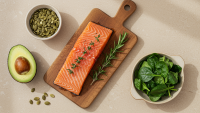
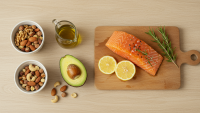
Timing is where resveratrol supplement benefits dosage results get left on the table. Take it with a meal containing at least 15g of fat: avocado, olive oil, eggs, or full-fat yogurt. On an empty stomach, up to 75% of the dose clears through first-pass metabolism before reaching systemic circulation. That single variable explains most reports of resveratrol having no effect.
The most evidence-backed protocol: 250mg micronized trans-resveratrol with 250mg quercetin at breakfast, alongside a fat-containing meal. Quercetin and resveratrol together create measurable sirtuin synergy in published studies. For evening supplement protocols that do not interfere with resveratrol’s morning timing, the best magnesium for sleep guide outlines timing-specific stacks.
Who Should Avoid Resveratrol
Three groups need to skip it or consult a physician first. People with estrogen-sensitive cancers, including ER+ breast cancer and endometrial cancer, face a real concern: resveratrol has phytoestrogen activity and may stimulate estrogen receptor signaling in hormone-dependent tumors. Anyone taking anticoagulants, particularly warfarin, faces CYP enzyme interaction risk that can destabilize INR readings unpredictably. And if surgery is scheduled within two weeks, stop resveratrol beforehand. Its mild antiplatelet effects can complicate bleeding management during and after procedures. Pregnancy and breastfeeding data is essentially absent, so the precautionary recommendation is to avoid supplementation during both periods. This article does not cover pediatric dosing, interactions with chemotherapy agents, or clinician-supervised high-dose protocols above 500mg.