
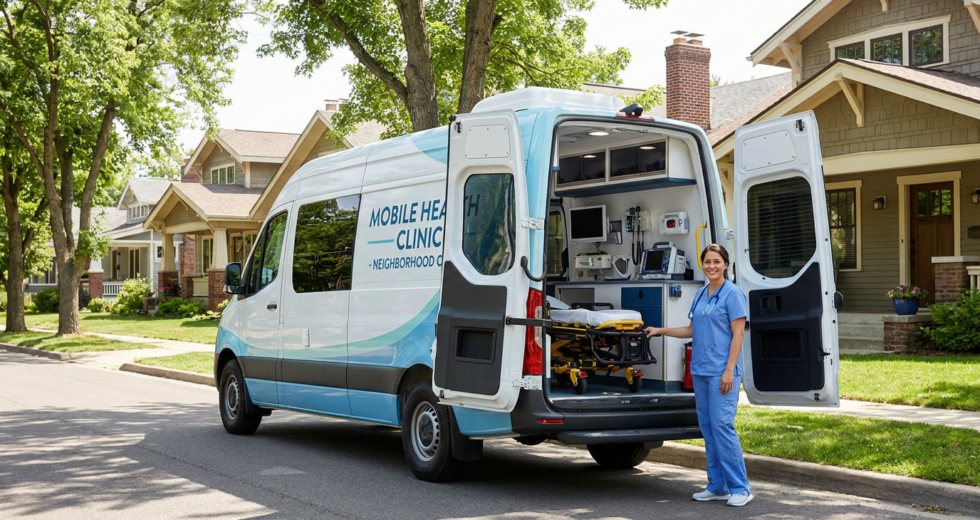
In a rapidly evolving industry, pharmaceutical sponsors, CROs and clinical operations leaders seek the best solutions for mobile decentralized clinical trials. Decentralized approaches have evolved from experimental methods to strategic imperatives for improving recruitment, retention and data quality. This guide will walk you through why traditional site-based trials are falling short, what your options look like and how to choose the right infrastructure partner.
Why Traditional Clinical Trials Can Limit Your Research
Site-based clinical trials have worked for decades. However, they create real problems for modern study designs. The most pressing challenge involves geographic accessibility. When participants must travel to centralized facilities, you face recruitment bottlenecks that can delay timelines and increase costs.
Research shows that distance is a major barrier to trial participation. Many potential participants live too far from traditional sites to commit to long protocols. This geographic constraint doesn’t just limit enrollment numbers. It skews your sample toward those with flexible schedules, reliable transportation and proximity to urban medical centers. It reduces diversity in trial demographics and potentially creates regulatory complications.
Retention presents another concern. Participants who enroll despite geographic challenges often struggle to maintain attendance. Each missed appointment or withdrawn participant represents wasted resources and threatens the statistical power of your study. For sponsors and clinical research organizations (CROs) managing complex portfolios, these inefficiencies compound across multiple trials.
Exploring Your Options for Mobile Trial Solutions
Solutions for mobile decentralized clinical trials fall along a spectrum. Knowing where each one fits helps you plan your strategy. At one end, purely digital approaches leverage telehealth platforms, wearable devices and remote monitoring tools to eliminate the need for physical site visits. These solutions excel for studies requiring periodic data collection, patient-reported outcomes or vital sign monitoring.
At the other end, physical infrastructure brings clinical capabilities to participants through mobile units. These solutions are critical when your protocol demands hands-on procedures, specimen collection, imaging or other services that cannot be delivered virtually.
The most effective approach for many complex trials involves hybrid decentralized trials that combine digital and physical touchpoints. A hybrid model reduces site visits without compromising data quality or protocol adherence. You might use remote monitoring for routine check-ins while deploying mobile unit infrastructure for essential procedures, adapting your approach to specific protocol requirements and patient populations.
How to Choose a Partner for Your Physical Infrastructure
Selecting the right infrastructure partner can determine whether your decentralized strategy succeeds or becomes a logistical liability. The physical side of a decentralized trial needs more than just vehicles and equipment. It also takes specialized expertise.
Key Factors to Consider in an Infrastructure Provider
National scale matters when you’re managing multisite trials across different regions. Your infrastructure partner should demonstrate the ability to deploy resources across your service areas without compromising quality or timeline commitments. Look for providers with established logistics networks rather than those building capabilities reactively.
Logistical expertise separates competent vendors from true strategic partners. The provider should handle permitting, site preparation, staffing coordination and equipment management without requiring your team to micromanage deployments. A turnkey solution lets your clinical operations team focus on the protocol, not on troubleshooting infrastructure.
Financial structure deserves careful evaluation, as well. Capital-intensive infrastructure investments can strain your budget and create long-term obligations that limit flexibility. Providers with scalable solutions and low upfront costs give you room to adjust trial scope as enrollment and protocol needs change.
Meeting ESG and Compliance Requirements for Modern Trials
ESG criteria now play a bigger role in winning contracts with global pharmaceutical sponsors and federal agencies. Procurement teams evaluate CRO and infrastructure partners on their track record for sustainability, ethical operations and transparent governance.
Organizations that need to meet strict ESG requirements can gain an edge by partnering with providers that have third-party validation of their environmental commitments. BusTest Express is officially approved by the Science Based Targets initiative (SBTi), providing independent verification of climate action commitments. This credential strengthens proposals to sponsors with strict ESG mandates by demonstrating alignment with the latest climate science.
BusTest Express offers enterprise physical infrastructure services for CROs, national healthcare staffing agencies, and federal and defense contractors. They also provide custom turnkey solutions for mobile unit clinical hubs.
For federal contractors and defense-related research, ESG compliance is often a necessity rather than a preference. Having partners with validated credentials can streamline your bid process and reduce compliance risk.
Frequently-Asked Questions About Mobile Clinical Trials
Decision-makers evaluating decentralized approaches often have questions about implementation, compliance and scalability.
What’s the difference between a mobile unit and a telehealth platform?
A telehealth platform facilitates remote interactions between participants and clinical staff through video calls, digital questionnaires or remote monitoring devices. A mobile unit is a physical clinical space that travels to participants’ locations to deliver hands-on services, such as specimen collection, imaging, physical examinations or procedures that require clinical equipment. Many successful decentralized trials use both approaches strategically.
How do mobile solutions address regulatory requirements?
Mobile and decentralized approaches must comply with the same regulatory standards as traditional trials, including Good Clinical Practice guidelines, data integrity requirements and participant protection protocols. The key difference lies in the documentation and validation processes. Your infrastructure partner should provide comprehensive quality systems that address regulatory considerations specific to decentralized models, including site qualification for mobile locations, chain of custody for specimens and audit trails for remote data collection.
Can mobile infrastructure scale for large, multisite trials?
Scalability depends on your infrastructure partner’s operational capacity. Enterprise providers with national logistics networks can deploy mobile unit resources across multiple geographic regions. The critical factor is selecting a partner with proven experience managing complex deployments.
Taking the Next Step in Your Decentralization Strategy
Successful decentralization requires more than new technology. It takes a real strategy for the physical and logistical side of bringing clinical services to participants.
Organizations that get ahead treat infrastructure as a strategic differentiator, not an afterthought. Evaluate your current trial models and identify protocols where geographic barriers limit enrollment or participant burden affects retention. When you’re ready to explore infrastructure partnerships, prioritize providers with national scale, turnkey mobile unit solutions and demonstrated ESG credentials to support enterprise-level deployments.