
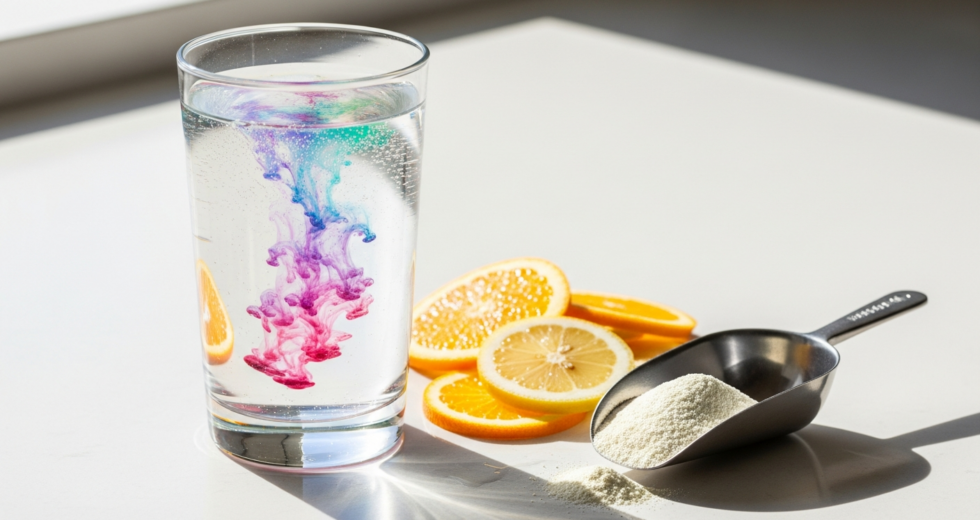
The best electrolyte powder replaces the four minerals your body loses fastest through sweat and exertion: sodium, potassium, magnesium, and chloride. For most active adults, the right formula is sugar-free or very low sugar, lists sodium as the dominant electrolyte, includes at least some potassium and magnesium, and skips unnecessary fillers.
If you exercise hard, follow a low-carb diet, or regularly feel fatigued and crampy despite drinking enough water, a quality powder can make a real difference. That said, healthy sedentary adults who eat a varied diet likely don’t need one at all.
This guide breaks down what the ratios actually mean, which use cases call for more sodium versus more magnesium, and the label red flags you can spot in about thirty seconds.
Why Electrolyte Balance Matters More Than Raw Hydration
Water moves into your cells through osmosis, and electrolytes are what drive that process. Drinking more water without replacing lost electrolytes can actually dilute the minerals already in your blood, which is part of why distance runners sometimes feel worse the more they drink.
Sweat is mostly sodium chloride. That’s why sodium is the most important electrolyte to replace after exercise or heat exposure, not potassium, despite what sports marketing often implies. Potassium and magnesium matter, but the science is clear that sodium drives fluid retention and cellular rehydration at the most fundamental level.
If you want to understand whether you’re actually dehydrated versus just tired, the symptoms overlap significantly. These 12 dehydration symptoms can help you tell the difference before you reach for any supplement.
How to Read an Electrolyte Powder Label
Most people skip straight to the flavor and price. That’s backwards. The numbers on the supplement facts panel tell you more about whether a product will actually work than any marketing copy on the front.
Sodium: The Baseline to Check First
A meaningful dose of sodium in an electrolyte powder typically falls somewhere between 300mg and 1000mg per serving. Products on the lower end of that range are fine for light activity or daily use. Products toward the higher end are built for heavy sweaters, endurance athletes, or people working in heat.
Very low sodium formulas (under 100mg per serving) are essentially flavored water. They’re not harmful, but they won’t do much if you’ve had a real workout or spent hours outside in summer.
High sodium products aren’t right for everyone. If you have hypertension, kidney disease, or are on a sodium-restricted diet, talk to your doctor before adding a high-sodium electrolyte powder to your routine.
Potassium and Magnesium: Supporting Roles
Potassium helps regulate fluid balance and muscle contractions. Most people get enough from food, which means the dose in an electrolyte powder doesn’t need to be massive to be useful. What you’re looking for is its presence alongside sodium, not a product that leads with potassium and barely includes sodium.
Magnesium is where a lot of products underdeliver. It matters for muscle relaxation, sleep quality, and reducing cramp severity. If you’re buying an electrolyte powder specifically because you get night cramps or post-workout soreness, pay attention to the magnesium dose.
Not all forms of magnesium absorb equally well. Magnesium glycinate and magnesium malate tend to cause less digestive upset than magnesium oxide, which is cheaper to put on a label but has significantly lower bioavailability in clinical comparisons.
Sugar: The Trade-Off Worth Understanding
Some glucose aids sodium absorption in the gut via a well-established cotransport mechanism. That’s real physiology, not a sales pitch. But the amount needed to trigger that effect is small, maybe a few grams.
Products with 20-plus grams of sugar per serving are closer to sports drinks than electrolyte supplements, and you’re better off comparing them against a can of something like Pedialyte if recovery from illness or heavy exertion is your goal.
If you’re keto, intermittent fasting, or just watching sugar intake, sugar-free electrolyte drinks and powders are genuinely viable options. The best ones use stevia or monk fruit and still include a sodium dose that actually matters.
Who Actually Needs an Electrolyte Powder
Worth saying plainly: a significant portion of the electrolyte supplement market is sold to people who don’t particularly need it. If you exercise moderately, eat a diet that includes vegetables, dairy, or minimally processed foods, and aren’t losing unusual amounts of sweat, your electrolyte balance is probably fine.
That said, there are real use cases where a powder adds genuine value.
High-Volume Exercise and Endurance Sports
Anyone running longer distances, cycling hard, or doing two-a-days loses enough sodium through sweat that food alone often can’t keep up with replacement needs during the activity. Here, a higher-sodium formula dissolved in water before and during exercise is one of the more evidence-backed interventions for performance and cramp prevention.
Keto and Very Low-Carb Diets
Carbohydrate restriction reduces insulin levels, which causes the kidneys to excrete more sodium. That’s the actual mechanism behind the “keto flu.” The fatigue, headaches, and brain fog that show up in the first week or two of keto are largely a sodium and magnesium deficiency problem, not a fat-adaptation problem.
A well-formulated electrolyte powder addresses this directly and is one of the most consistent recommendations from practitioners managing patients through the early adaptation phase.
Hot Climates and Prolonged Heat Exposure
Working outdoors in summer, spending a day in a sauna, or being in a hot climate without air conditioning all push sodium losses well above a typical indoor day. In these situations an electrolyte powder is a practical and inexpensive insurance policy.
Hangover Recovery
Alcohol is a diuretic that depletes sodium, potassium, and magnesium. The headache, fatigue, and general misery of a hangover is partly electrolyte depletion compounded by dehydration. A morning electrolyte drink with meaningful doses of all three minerals helps, though it doesn’t address every aspect of a hangover.
Pair it with water and food. Water intake is the foundation of all of this. Understanding how much water you actually need based on your body weight is a useful starting point before adding any supplement on top.
Red Flags to Avoid on the Label
A few things that should make you pause before buying:
- Proprietary blends that list electrolytes without disclosing individual doses. You can’t evaluate what you can’t see.
- Sodium under 50mg per serving with claims about “deep hydration.” That’s marketing language for flavored water.
- Magnesium oxide as the only magnesium source. It has poor bioavailability compared to glycinate or malate forms.
- Artificial sweeteners that trigger your gut (aspartame in particular bothers a meaningful percentage of users). Stevia and monk fruit tend to be better tolerated.
- Unnecessary additives like fillers, anti-caking agents, and “natural flavors” that constitute most of the ingredient list.
- No sodium content at all, which turns any “electrolyte” claim into pure marketing.
How to Match the Formula to Your Goal
There is no single best electrolyte powder for everyone. The right formula depends on what you’re trying to solve.
For daily low-intensity use, a lighter sodium formula (300-400mg) with magnesium glycinate is a solid baseline. You don’t need a product built for marathon runners if you’re going for a 30-minute walk.
For endurance or heavy training, look for sodium at the higher end (700mg or more), potassium included, and a clean sweetener with no artificial colors. Some athletes add a small amount of glucose intentionally to the mix to aid absorption during effort.
For keto or fasting, the magnesium dose matters as much as the sodium. Look for a formula that covers both meaningfully, and time your intake around when you typically feel the energy dip.
For general hydration or illness recovery, a balanced formula with moderate sodium and potassium is what most clinical rehydration science supports. The WHO oral rehydration salt ratio, developed in the late 1960s and widely standardized through the 1970s, is still a useful reference point for what actual dehydration correction looks like at a formulation level.
Frequently Asked Questions
Can you take electrolyte powder every day?
For most healthy people, yes, within reason. If your diet is already high in sodium (processed foods, restaurant meals), adding a high-sodium electrolyte powder daily could push total sodium intake above what’s appropriate. Use a lower-sodium formula for daily maintenance and save the higher-sodium products for workout days or heat exposure.
Is electrolyte powder better than sports drinks?
For most people, a good electrolyte powder dissolved in water gives you more control over what you’re consuming. You can pick your sodium level, avoid excess sugar, and scale the dose. Sports drinks are convenient and work, but they often carry more sugar than you need and less sodium than you’d get in a dedicated powder.
Do electrolyte powders help with muscle cramps?
They can, particularly if your cramps are driven by sodium or magnesium depletion, which is common during heavy exercise or in people eating low-carb. Cramps also have other causes (nerve fatigue, overexertion, poor circulation), so an electrolyte powder isn’t a guaranteed fix. If cramps persist despite adequate hydration and electrolyte intake, see a doctor.
What is the difference between electrolyte powder and electrolyte tablets?
The delivery mechanism mainly. Tablets dissolve in water and produce essentially the same result as a powder. Tablets are more portable and easier to carry in a bag or pocket, which makes them a practical choice for travel or outdoor activity. Powders give you more flexibility to adjust dose and often come with better flavor options.
Are electrolyte powders safe during pregnancy?
Many OB-GYNs recommend electrolyte drinks for managing morning sickness-related dehydration, and a low-sugar electrolyte powder is generally considered safe. But sodium and potassium needs shift during pregnancy, so it’s worth checking with your provider before making a high-sodium formula part of your daily routine.
Can you get too many electrolytes from a powder?
Yes, though it takes real effort to overdose from a single product used as directed. The more realistic concern is stacking multiple sources without realizing it: electrolyte powder plus a salty post-workout snack plus a sodium-heavy dinner can add up. Potassium at very high doses can affect heart rhythm, which is why products rarely include high-dose potassium. Read the label, follow the serving guidance, and you’re unlikely to have a problem.