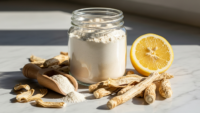
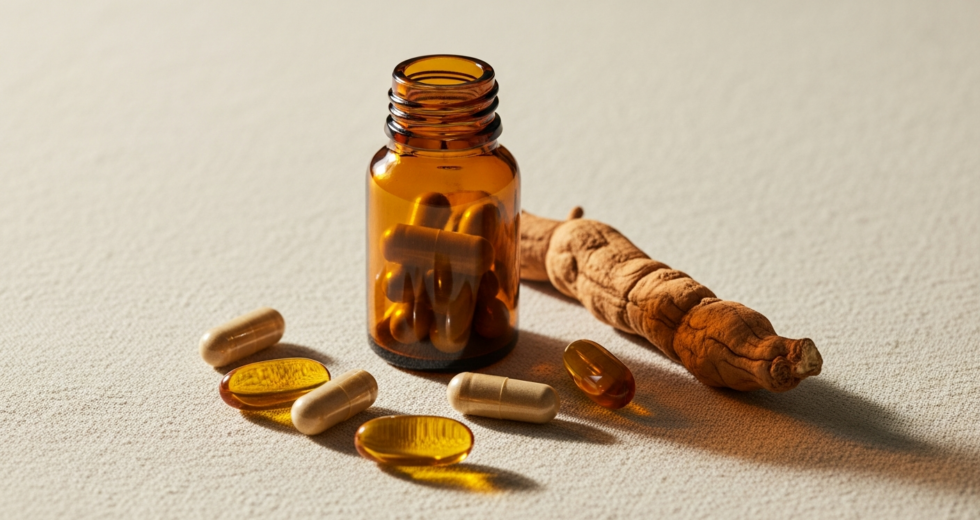
The best ashwagandha supplement starts with a standardized root extract, ideally a clinically studied form like KSM-66 or Sensoril, dosed between 300 mg and 600 mg per day. Those two markers alone will eliminate most of the underdosed, leaf-heavy, or poorly extracted products crowding the shelf. Everything else is refinement.
Ashwagandha (Withania somnifera) has real research behind it for stress, perceived anxiety, and sleep quality. The catch is that “ashwagandha” on a label tells you almost nothing. The part of the plant, the extraction method, and the withanolide concentration determine whether you are getting a therapeutic dose or paying $30 for herb powder.
This guide breaks down exactly what to look for, what to ignore, and the situations where you should hold off entirely.
KSM-66 vs Sensoril: Which Extract Should You Choose?
These are the two most researched proprietary ashwagandha extracts, and they come from different parts of the plant. That distinction matters more than most people realize.
KSM-66 is a full-spectrum root extract standardized to a minimum of 5% withanolides. It is the most widely studied form, with clinical trials focused on stress reduction, testosterone support in men, endurance, and memory. For a general-purpose ashwagandha for daytime use or athletic performance, KSM-66 is the standard choice.
Sensoril is a root-and-leaf extract standardized to at least 10% withanolide glycoside conjugates. The higher withanolide percentage looks impressive, but withanolide glycoside conjugates and free withanolides are measured differently and are not directly comparable numbers. Sensoril has its own clinical research, tends to be used at lower doses (125 to 250 mg rather than 300 to 600 mg), and shows up frequently in sleep and anxiety formulas.
Both are legitimate. KSM-66 at 300 to 600 mg/day has the broadest research record. Sensoril at 125 to 250 mg/day is valid, especially if you are more sensitive to supplements or want it in a multi-ingredient formula. If a product uses neither and just says “ashwagandha root extract” with no standardization marker, that is a red flag. There is no guarantee of withanolide content.
Root vs Leaf: A Distinction That Affects What You Actually Get
Most of the safety and efficacy research on ashwagandha was conducted using root extract. The root contains withanolides, the active compounds responsible for its adaptogenic effects.
Leaf extract contains withanolides too, but it also contains higher concentrations of withaferin A. That compound is being studied for interesting reasons in laboratory settings, but at therapeutic doses it may have more potent biological effects than most people taking a daily stress supplement want. Some researchers have raised questions about withaferin A at high concentrations. The data is not settled, but the precautionary position is to favor root-only or predominantly root products for long-term daily use.
When you see “whole plant extract” or a label that does not specify root, check the fine print. The product may be diluting withanolide content with leaf material, or using leaf to hit a higher withanolide percentage on paper.
How to Read a Supplement Label Before You Buy
Withanolide Standardization
Any quality product will state the withanolide percentage on the label. A root-only extract in the 2.5 to 5% range is reasonable. Anything claiming 10% or higher and listing it as “withanolides” without specifying glycoside conjugates versus free withanolides deserves scrutiny. It may be accurate, or it may be using leaf material to hit that number.
Dose Per Serving
For KSM-66, the clinical research base sits at 300 to 600 mg per day. Some protocols split this into two doses. Anything below 250 mg of a standardized extract is likely underdosed for noticeable stress or sleep effects.
For Sensoril, effective doses in studies run lower, typically 125 to 250 mg/day. A 250 mg Sensoril capsule is not underdosed just because it looks smaller than a 600 mg KSM-66 serving.
Third-Party Testing
Look for USP, NSF, or Informed Sport certification, or at minimum a QR code linking to a certificate of analysis (COA). These verify that the product contains what the label claims and screens for heavy metals and contaminants. Ashwagandha is a root that grows in soil, and heavy metal contamination is a genuine concern with cheap sourcing.
Fillers and Additives
Capsule fillers like magnesium stearate, silicon dioxide, or rice flour in small amounts are generally benign. What you want to avoid is proprietary blends that lump multiple adaptogens together without disclosing individual doses. You cannot verify you are getting a therapeutic amount of anything in that setup.
What Ashwagandha Actually Does (and What It Does Not)
Ashwagandha has the strongest evidence for reducing perceived stress and anxiety. Multiple randomized controlled trials using KSM-66 and Sensoril have shown meaningful reductions in self-reported stress scores. Some studies show reductions in cortisol levels too, though that data is more variable than supplement marketing tends to suggest.
Sleep quality is a legitimate secondary benefit. Several trials have reported improvements in sleep onset and sleep quality scores, particularly with Sensoril. This fits with ashwagandha’s mechanism: as an adaptogen, it modulates the stress response rather than acting as a sedative. It is not going to knock you out the way magnesium glycinate might. For more on sleep support through supplementation, Best Magnesium for Sleep: Glycinate vs Threonate covers a complementary option.
For men, clinical trials have found improvements in testosterone and fertility markers at 600 mg/day of KSM-66. One randomized crossover study found a 14.7% greater increase in testosterone compared to placebo. The effect sizes are real but modest. Ashwagandha is not a substitute for addressing sleep, resistance training, and body composition.
Cognitive function, endurance, and VO2 max improvements have shown up in smaller studies. The evidence is preliminary but not implausible given ashwagandha’s effect on stress physiology.
What ashwagandha does not do reliably: it is not an antidepressant, it does not produce acute energy or focus like caffeine, and it does not replace medical treatment for anxiety disorders. If you are dealing with chronic elevated cortisol and the physical symptoms that come with it, How to Lower Cortisol Naturally and Cortisol and Anxiety Symptoms in Women both cover the broader interventions ashwagandha fits into.
Who Should Be Cautious (or Skip It)
Ashwagandha is generally considered safe for healthy adults at standard doses for up to three months, based on the available research. Beyond that, the long-term safety data gets thinner. Cycling protocols of eight to twelve weeks on, followed by two to four weeks off, are commonly recommended for that reason. If you want to understand how to come off it properly, read the guide on ashwagandha withdrawal and how to cycle off safely before you start.
Pregnancy and breastfeeding: Ashwagandha has not been proven safe during pregnancy. Animal studies have raised concerns about fetal development, and no adequate human trials exist to establish a safe dose. Standard medical guidance is to avoid it during pregnancy. Consult a provider before using it while breastfeeding.
Thyroid conditions: Ashwagandha may raise thyroid hormone levels. Case reports in the medical literature have documented thyrotoxicosis in individuals taking ashwagandha. If you have hyperthyroidism, Graves’ disease, or are on thyroid medication, speak with your doctor before adding it. The interaction is not universal, but the risk is specific enough that it warrants a conversation with your prescriber.
Autoimmune conditions: Because ashwagandha may stimulate immune activity, it is often flagged as a caution for conditions like lupus, rheumatoid arthritis, or multiple sclerosis. The clinical evidence for this interaction is limited, but the precaution is standard practice.
Sedative medications: Ashwagandha has mild sedating properties. If you are on benzodiazepines, sleep aids, or other CNS depressants, the combination could increase sedation. Run it by a pharmacist if you are on any of these.
Liver: Cases of liver injury associated with ashwagandha supplements have been reported in the medical literature, including cases involving single-ingredient products at standard doses (Philips CA et al., Hepatology Communications, 2023). Stop use immediately and seek medical attention if you notice jaundice, dark urine, or right-side abdominal discomfort. Do not stack multiple ashwagandha-containing products.
Capsules vs Powder vs Gummies
Capsules are the most practical choice. The dose is fixed, absorption is consistent, and the taste is not a factor. Ashwagandha root is intensely earthy and slightly bitter, tolerable in a capsule and genuinely unpleasant loose.
Powder works well in smoothies or oat-based meals. The flexibility with dosing is useful, but many powders are not standardized extracts. They are ground whole root, which means lower and more variable withanolide content per gram.
Gummies almost always sacrifice dose. Fitting 300 to 600 mg of a standardized extract into a gummy while keeping the flavor acceptable is difficult, so most gummy formulas use lower doses or less potent extract forms. They are not the right choice if efficacy is your priority.
Frequently Asked Questions
How long does ashwagandha take to work?
Most people notice stress and sleep improvements after two to four weeks of consistent daily use. The effects build gradually rather than hitting immediately. Give it at least four weeks before deciding whether it is working for you.
Should you take ashwagandha in the morning or at night?
It depends on your goal. For stress management and general adaptogenic use, morning or midday with food is typical with KSM-66. For sleep quality, an evening dose one to two hours before bed tends to work better, and Sensoril is more commonly used in that context. Some products split the dose between morning and evening.
Is KSM-66 or Sensoril better for women?
There is no strong evidence that either extract performs differently by sex. KSM-66 has more total clinical data and is a reasonable default. Sensoril at a lower dose is often preferred in sensitive individuals or those prioritizing sleep. Individual response varies, so the best option is the standardized extract you can take consistently.
Can you take ashwagandha every day?
Yes, within a defined cycle. The standard approach is eight to twelve weeks of daily use followed by a two-to-four-week break. Long-term daily safety data beyond three months is limited, so periodic breaks are a reasonable precaution. Daily use within a cycle is how most clinical studies have been structured.
Does ashwagandha lower cortisol?
Some clinical trials have found modest cortisol reductions in chronically stressed adults taking standardized ashwagandha extract. The effect is not consistent across all studies and the magnitude is typically modest. The more reliable and consistent finding is reduced perceived stress, meaning how stressed you feel day to day, rather than dramatic drops in measured cortisol numbers.
What should you avoid in an ashwagandha supplement?
Proprietary blends that hide individual doses, products with no withanolide standardization on the label, leaf-heavy extracts marketed on inflated withanolide percentages, and anything without third-party testing or a COA. Also avoid stacking multiple ashwagandha products. Liver injury cases in the medical literature include single-ingredient products, not only complex stacks.