
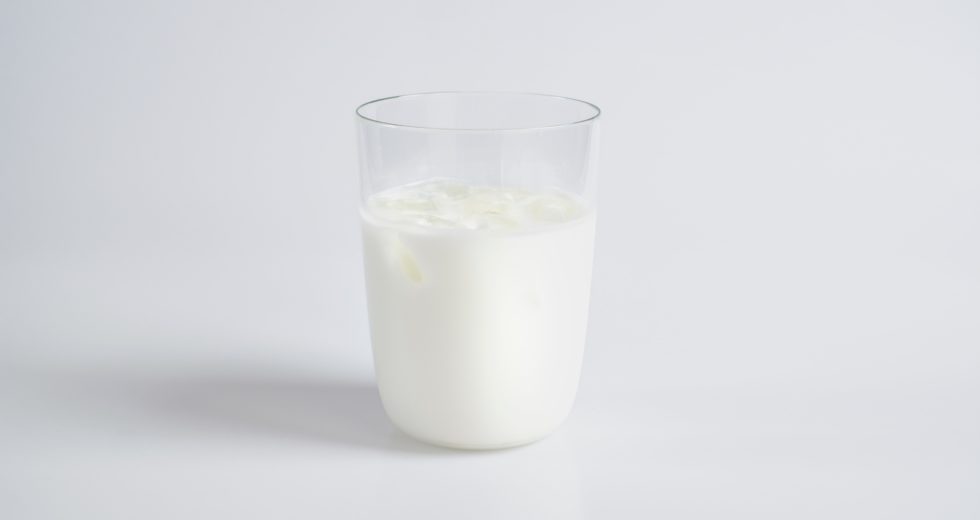
From ancient times, milk has played an important role in the diets of a great number of people. It is often lauded for the high levels of calcium and vitamin D that it contains, both of which are vital for maintaining healthy bones. In contrast, there has been a rising worry in recent years regarding the possible adverse consequences that consuming dairy products may have on the body.
So, should you avoid dairy products? There is no easy solution to this problem. Milk and other dairy products, despite the fact that they may have certain positive benefits in specific contexts, may also have some unintended consequences for particular people. Let’s take a more in-depth look at the impacts that drinking milk has on the body.
- The Positive Aspects of Dairy
Milk is a wonderful source of calcium, vitamin D, and other minerals that are necessary for maintaining healthy bones, as was previously noted. Osteoporosis is a condition that is characterized by weak and brittle bones.
Consuming milk may help prevent osteoporosis. In addition, dairy products may be beneficial to your health in a number of other ways, including improving your heart’s health and lowering your chance of developing certain malignancies.
Milk is another food that may be an excellent source of protein, which is necessary for the maintenance and development of the body’s tissues. This might be of utmost significance for those who participate in frequent physical exercise, such as athletes and other persons. Moreover, dairy products like yogurt and kefir may include the helpful bacteria known as probiotics, which are known to enhance digestive health and the immune system respectively.
- The Negative Aspects of Dairy
Milk and other dairy products, despite the fact that they could offer certain health advantages, might also cause problems for some people. Lactose intolerance is one of the most major issues. Lactose intolerance is a condition in which the body is unable to properly digest lactose, which is a sugar that may be found in milk. Lactose intolerance may cause a variety of uncomfortable symptoms, including bloating, gas, diarrhea, and discomfort in the stomach region.
Consumption of dairy products may be linked to a variety of health problems, including acne, inflammation, and hormone imbalances, which is another cause for worry. Milk may stimulate an increase in the synthesis of insulin-like growth factor-1 (IGF-1), a hormone that has been associated with an increased risk of developing some malignancies, according to the findings of certain research. In addition, some individuals may be sensitive to the proteins that are contained in milk, which may produce symptoms ranging from moderate itching to severe anaphylaxis in the most severe cases.
- Striking the Appropriate Balance
What should you do, therefore, if you are unclear as to whether or not you should consume dairy products? The most effective strategy is to pay attention to what your body is telling you and see a medical professional to figure out what will work best for you.
If you have lactose intolerance, you should probably stay away from or cut down on dairy products. On the other hand, there is a wide variety of lactose-free and low-lactose dairy replacement products available.
If you are worried about the possible adverse effects of dairy, you may want to consider cutting down on your intake or selecting other sources of calcium and other minerals if you want to avoid these potential consequences. Tofu, leafy green vegetables, and plant-based milks that have been fortified are all healthy sources of calcium that do not come from dairy products.
- The Crux of the Matter
To summarize, dairy products have the potential to improve the health of a great number of people, but they also have the potential to harm the health of other people. The trick is to strike the proper balance for the requirements of your body and your health. If you are unclear whether or not dairy products are appropriate for you, discuss the matter with your healthcare professional and think about experimenting with other sources of nutrition. You can guarantee that you are fueling your body in the healthiest manner possible by making decisions based on as much information as you can get.