
- Chronic low-grade inflammation is linked to heart disease, diabetes, cancer, Alzheimer’s, and autoimmune conditions
- The anti-inflammatory diet emphasizes omega-3 fatty acids, colorful produce, whole grains, and polyphenol-rich foods
- Key foods to include: fatty fish, berries, leafy greens, olive oil, turmeric, ginger, nuts, and fermented foods
- Foods to limit or avoid: refined sugar, processed seed oils, trans fats, excessive alcohol, and ultra-processed foods
- Research shows this dietary pattern reduces CRP, IL-6, and other inflammatory biomarkers within 4-8 weeks
Chronic low-grade inflammation — sometimes called “silent inflammation” — has emerged as a central mechanism linking diet to virtually every major chronic disease. Unlike the acute inflammation that causes redness and swelling after an injury, chronic systemic inflammation operates below the threshold of perception, gradually damaging blood vessels, neurons, joints, and organs over years and decades.
The anti-inflammatory diet is not a branded program or a rigid meal plan. It is an evidence-based dietary pattern that systematically reduces inflammatory triggers while increasing intake of compounds that modulate immune function and protect tissues. Here is a comprehensive, practical guide to implementing it.
Understanding Chronic Inflammation
Inflammation is a normal immune response — essential for healing wounds, fighting infections, and removing damaged cells. The problem arises when this response becomes chronic, driven by factors including poor diet, excess body fat (particularly visceral fat), chronic stress, inadequate sleep, environmental toxins, and sedentary behavior.
Blood markers of chronic inflammation include C-reactive protein (CRP), interleukin-6 (IL-6), tumor necrosis factor-alpha (TNF-α), and fibrinogen. Elevated levels of these markers are independently associated with increased risk of cardiovascular disease (2-4x), type 2 diabetes (2-3x), colorectal cancer (up to 2x), Alzheimer’s disease, depression, and accelerated biological aging.
Anti-Inflammatory Foods to Emphasize
Omega-3 Rich Foods
Fatty fish (salmon, mackerel, sardines, herring) provide EPA and DHA, the most potent dietary anti-inflammatory compounds available. These omega-3 fatty acids directly inhibit production of pro-inflammatory eicosanoids, cytokines, and reactive oxygen species. Aim for 2-3 servings of fatty fish per week, providing approximately 1,000-2,000 mg combined EPA and DHA. Plant-based sources include walnuts, flaxseeds, chia seeds, and hemp seeds, which provide ALA omega-3 (converted to EPA/DHA at low rates of 5-10%).
Colorful Fruits and Vegetables
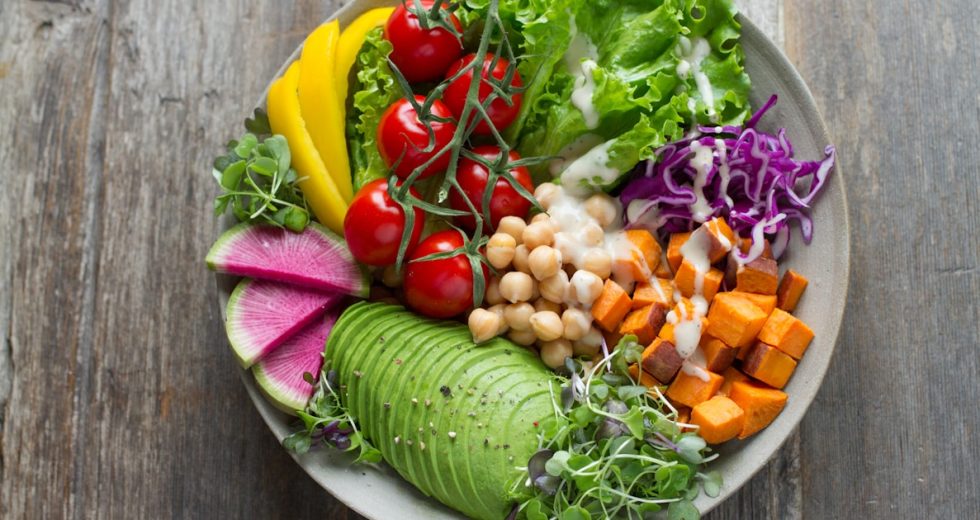
The pigments that give produce its color — anthocyanins (blue/purple), carotenoids (orange/red), and chlorophyll (green) — are powerful anti-inflammatory and antioxidant compounds. Berries (blueberries, strawberries, blackberries) rank among the highest antioxidant-density foods measured. Leafy greens (spinach, kale, collards) provide folate, magnesium, and vitamin K alongside anti-inflammatory phytochemicals. Cruciferous vegetables (broccoli, cauliflower, Brussels sprouts) contain sulforaphane, which activates the Nrf2 pathway — the body’s master antioxidant defense system. Aim for 7-10 servings of varied-color fruits and vegetables daily.
Extra Virgin Olive Oil
Extra virgin olive oil contains oleocanthal, a compound that inhibits the same inflammatory enzyme (COX) as ibuprofen. Regular EVOO consumption is associated with reduced CRP, IL-6, and cardiovascular risk in Mediterranean diet studies. Use 2-4 tablespoons daily as your primary cooking and finishing oil.
Spices and Herbs
Turmeric (curcumin) is the most studied anti-inflammatory spice, with systematic reviews confirming reductions in CRP and TNF-α. Pair with black pepper (piperine) to enhance absorption by up to 2,000%. Ginger inhibits COX-2 and 5-lipoxygenase inflammatory pathways. Rosemary, oregano, cinnamon, and cloves also demonstrate significant anti-inflammatory activity in both laboratory and clinical studies.
Nuts and Seeds
Walnuts, almonds, and pistachios are associated with lower CRP and inflammatory markers in prospective studies. A daily handful (approximately 1 ounce) provides anti-inflammatory fats, magnesium, vitamin E, and polyphenols.
Fermented Foods
Yogurt, kefir, sauerkraut, kimchi, and miso provide probiotics that support gut barrier integrity and modulate systemic immune function. A Stanford study found that a diet high in fermented foods for 10 weeks significantly reduced 19 inflammatory markers and increased microbiome diversity.
Foods That Promote Inflammation
Refined sugars and high-fructose corn syrup trigger inflammatory cytokine release and promote insulin resistance. Added sugar is the single most inflammatory component of the modern Western diet.
Ultra-processed foods containing artificial additives, emulsifiers, and refined ingredients have been linked to elevated CRP, gut microbiome disruption, and increased risk of inflammatory conditions in multiple large prospective studies.
Excess omega-6 fatty acids from refined vegetable oils (soybean, corn, sunflower) can promote inflammation when consumed in the disproportionate ratios typical of Western diets (15:1 omega-6 to omega-3, versus the optimal range of 2:1 to 4:1).
Trans fats (partially hydrogenated oils) are the most inflammatory dietary fat and have been banned or restricted in many countries due to their direct link to cardiovascular disease.
Excessive alcohol damages gut barrier integrity, allowing bacterial endotoxins into the bloodstream and triggering systemic inflammation. Moderate consumption (up to 1 drink daily for women, 2 for men) appears neutral to mildly beneficial; higher intake is inflammatory.
Sample Daily Anti-Inflammatory Meal Framework
Breakfast: Greek yogurt with blueberries, walnuts, ground flaxseed, and a drizzle of raw honey. Green tea.
Lunch: Grilled salmon over mixed greens with avocado, cherry tomatoes, pumpkin seeds, and extra virgin olive oil dressing. Turmeric golden milk.
Dinner: Grass-fed beef stir-fry with broccoli, bell peppers, ginger, and garlic over brown rice. Side of kimchi.
Snacks: Mixed berries with dark chocolate (85%+), handful of almonds, carrot sticks with hummus.
How Quickly Does It Work?
Blood marker changes are typically measurable within 2 to 4 weeks. A study in the Journal of Internal Medicine found that switching from a standard Western diet to a Mediterranean-style anti-inflammatory pattern reduced CRP by 26% in just 3 months. Subjective improvements in energy, joint comfort, and digestion are commonly reported within the first 2 weeks. Long-term disease risk reduction accumulates over months and years of consistent adherence.
Frequently Asked Questions
Is the anti-inflammatory diet the same as the Mediterranean diet?
They overlap significantly. The Mediterranean diet is the most well-studied anti-inflammatory dietary pattern and serves as the foundation for most anti-inflammatory eating recommendations. The anti-inflammatory approach adds additional emphasis on specific high-impact compounds like turmeric, ginger, and fermented foods.
Can the anti-inflammatory diet help autoimmune conditions?
Clinical evidence supports anti-inflammatory dietary patterns as complementary approaches for rheumatoid arthritis, inflammatory bowel disease, psoriasis, and other autoimmune conditions. They do not replace immunomodulatory medications but may reduce flare frequency and severity.
How do I measure my inflammation level?
Ask your doctor for a high-sensitivity CRP (hs-CRP) test, which is a widely available and inexpensive blood test. Optimal levels are below 1.0 mg/L, moderate risk is 1.0-3.0 mg/L, and high risk is above 3.0 mg/L. Testing before and after 8-12 weeks of dietary changes provides objective feedback on your progress.