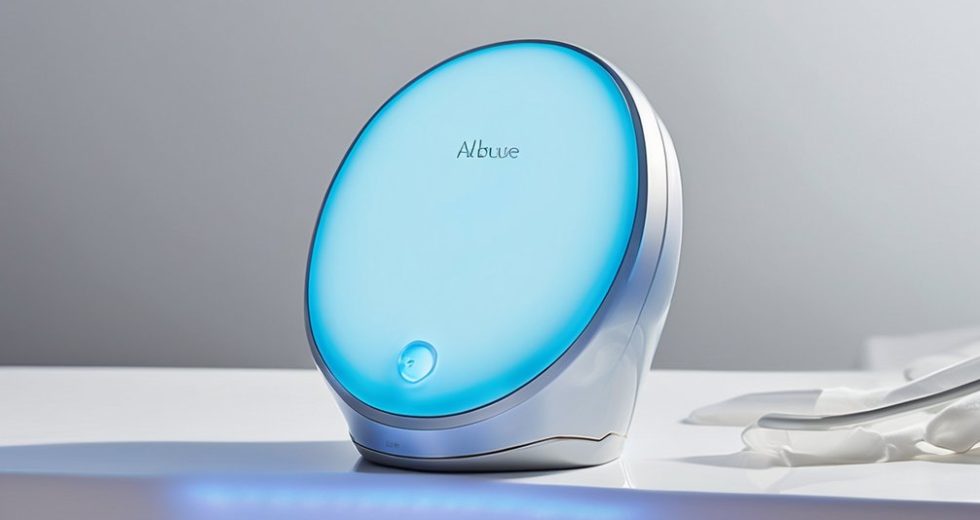
Blue light therapy treats acne, psoriasis, and other skin conditions by targeting bacteria and reducing inflammation through specific light wavelengths. It works by penetrating your skin to disrupt bacteria and promote healing without invasive procedures. For safe use, wear protective eyewear, limit sessions to 10-20 minutes, and maintain two to three treatments weekly. Starting cautiously and consulting a healthcare provider guarantees the best results. Additional details on its applications and guidelines follow below.
Common Conditions Treated With Blue Light Therapy
Although blue light therapy is a relatively recent development in medical treatment, it has quickly become a common approach for addressing several skin conditions.
You can use it effectively for acne treatment, as the blue light targets bacteria that cause breakouts, reducing inflammation and promoting clearer skin.
Additionally, it plays a role in psoriasis management by slowing the excessive skin cell growth that characterizes the condition.
This therapy offers a non-invasive option that fits your desire for freedom from more aggressive treatments.
How Blue Light Therapy Works
When blue light penetrates the skin, it interacts with specific molecules within bacteria and skin cells, triggering a series of chemical reactions.
This mechanism explanation reveals how blue light disrupts harmful bacteria by producing reactive oxygen species, which damage bacterial cell walls and reduce infection.
Simultaneously, it influences skin cells to regulate inflammation and promote healing.
Understanding this process helps explain the treatment effectiveness of blue light therapy for conditions like acne and psoriasis.
Guidelines for Safe and Effective Use
Since blue light therapy involves direct exposure to specific wavelengths of light, following clear guidelines is vital to guarantee both safety and effectiveness.
You should adhere to safety precautions such as wearing protective eyewear and avoiding prolonged sessions to prevent skin irritation or eye strain.
Treatment frequency plays an important role; most protocols recommend sessions lasting 10 to 20 minutes, two to three times per week, depending on your condition.
Always start with shorter treatments and monitor your skin’s response.
Consulting a healthcare professional before beginning therapy assures you use blue light safely and achieve the best possible results.