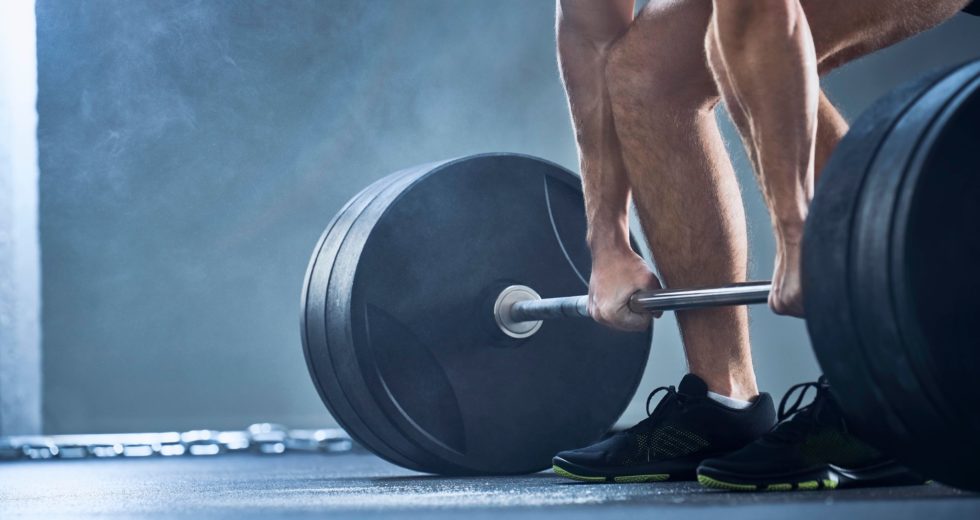
While it’s a known fact that aerobic exercise is the key to weight loss, a new study revealed some important results. Thus, Edith Cowan University performed a study that emphasizes the importance of weight, or resistance, training for weight loss.
If you are trying to lose some pounds, the U.S. Department of Health and Human Services suggests that you should do at least 150 minutes of easy to moderate cardio exercise, or about 75 minutes of more intense aerobic exercise every week. For better results, it is also recommended that you should have a low-calorie diet, based on healthy and nutritional meals.
But the study underlines that resistance training is also important when it comes to weight loss.
Pedro Lopes, the main researcher of the study, stated that, when issues like obesity, weight loss and body composition are addressed, aerobic workouts are seen as the only option. However, research shows that the combination between resistance training and a diet that is low on calories can greatly contribute to decrease the overall percentage of fat, the weight and body mass index.
According to the Eat This, Not That publication, “the effects of weight training, compared to aerobic exercise, are very similar when coupled with a calorie deficit in obese or overweight adults”.
The result of this study is actually very good news for people who find it difficult to practice cardio due to fear of injuries or joint pain. Now, they can achieve the same results through weight training and a healthy, low-calorie diet.
Furthermore, weight training also brings other benefits to the people who practice it. The same study showed that weight lifting can prevent muscle mass loss that can be determined by the cutback on calories. At the same time, considering that, from the age of 30 onwards, a person can lose between 3 to 5 percent of their muscle mass every 10 years, weight training can help prevent that and help building more of it.
Remove excess skin after weight loss
When you have lost weight, and you have excess skin, there are a number of types of tummy tucks that can be performed to help you get rid of that skin and give you a tighter, firmer abdomen. The type of tummy tuck that is right for you will depend on how much excess skin there is, where the skin is located, and whether or not you have any abdominal muscle laxity.
The most common type of tummy tuck is the full tummy tuck. This involves an incision being made across the lower abdomen, from hip to hip. The skin is then lifted up, and the excess skin is removed. The abdominal muscles are also tightened during a full tummy tuck, giving you a flatter, firmer stomach.
If you have a smaller amount of excess skin, or if the skin is located mainly on the lower part of your abdomen, you may be a candidate for a mini tummy tuck. A mini tummy tuck involves a smaller incision, and only the lower part of the abdominal muscles are tightened. This can give you a flatter stomach without the need for a full tummy tuck.
If you are unhappy with the appearance of your stomach after weight loss, a tummy tuck may be the right procedure for you. There are a number of different types of tummy tucks that can be performed, depending on your individual needs and goals.