
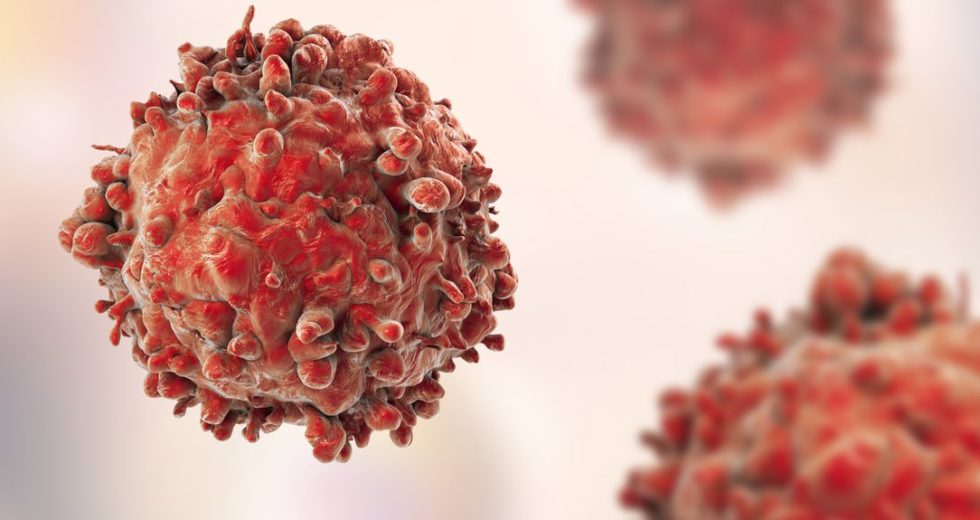
When cancer returns after treatment, doctors call it “recurrence” or “recurrent cancer.” When we find out that cancer has come back, we go through a variety of feelings such as shock, anger, sadness, and fear. But even if it comes back, it will not be the same as the first time. Why? You’ve already experienced cancer and you know what to expect. Do not forget the evolution of medicine and the pharmaceutical industry, so treatments are constantly improving.
PBMC, peripheral blood mononuclear cells, experiments are important as they play a key role in research that help with drug discovery, gene therapy, cancer research and diagnostic developments. PBMCs collected from donors can help further research in many different areas.
As clinicians and researchers learn more about how our bodies work and can assist in the treatment of certain cancers and personalized medicines via the studies into PBMCs, more new treatments and diagnostics will be available.
New drugs or methods can help treat cancer or manage side effects. In some cases, improved treatments have helped transform cancer into a chronic disease that people can manage without difficulty.
Why is cancer coming back?
Recurrent cancer is triggered by cancer cells that the first treatment has not removed or destroyed. This does not mean that the treatment administered was wrong, but only a small number of cancer cells survived the treatment and therefore did not appear in the follow-up tests. Over time, these cells have grown, evolving into tumors or cancer that was later detected easily.
Sometimes a new type of cancer will occur in people who have a history of cancer. When this happens, the new cancer is known as the second primary cancer. Second primary cancer is different from recurrent cancer.