
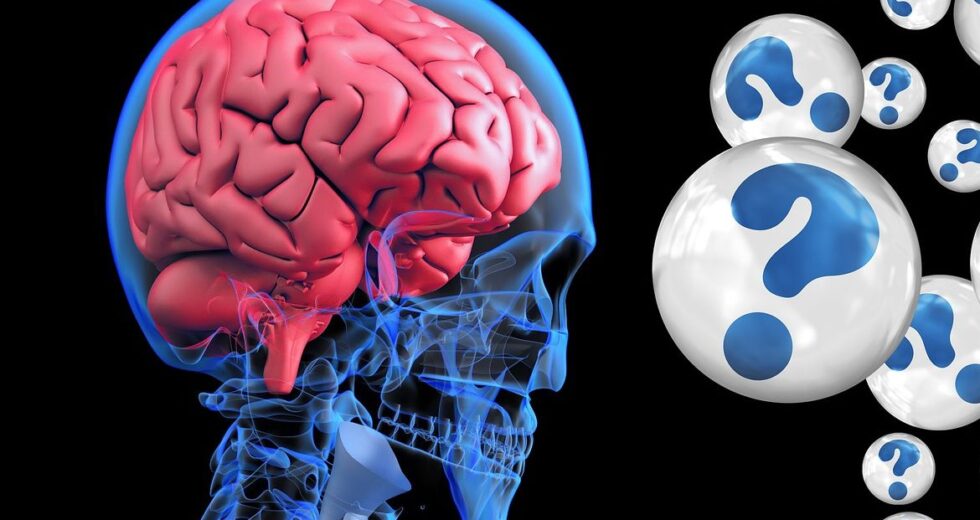
It has been just revealed that no matter how certain we are of our minds and memories, some of our recollections may be false. Check out the latest reports below.
False memories invade our minds
Illusory memories are more common than we think. Often, we vividly recall an event only to realize that it never actually happened. However, a recent study has uncovered distinct electrical patterns in the brain that can differentiate genuine memories from false ones with certainty.
This discovery not only provides a rare insight into the mechanics of memory retrieval but also holds the potential for treating disorders like post-traumatic stress disorder (PTSD), where intrusive flashbacks can feel lifelike.
The hippocampus, which functions as an episodic memory system, is the brain’s memory hub. It stores and retrieves personal experiences, along with associated details and emotions, and ties them to context, serving our long-term memory. False memories can occur if we recall an event without the original context.
A recent study from the University of Pennsylvania found that distinct neural patterns emerged just before participants retrieved true and false memories.
The level of hippocampal activity indicated the degree of similarity between factual and fabricated recollections.
The study also revealed that reduced low-frequency activity in the hippocampus indicates a strong connection between remembered items and their context, with a bigger reduction signifying a closer match between the recalled and actual contexts.
Recent studies have revealed that researchers have been able to make people remember events that never took place in controlled settings. The researchers displayed a list of related words, but one crucial word was left out.
For instance, words such as “dream,” “bed,” and “nap” were displayed, but the word “sleep” was not included. People may mistakenly remember the word “sleep” because the other words make them think of it.
In addition, the researchers used decoding techniques to predict which context was associated with the recalled item. This study sheds light on our ability to distinguish memories from separate events.
According to Ms. Herz’s press release, these findings advance our understanding of memory retrieval mechanisms.
The study highlights the importance of identifying individual-level false memories, particularly when they cause distress.
“Individuals suffering from stress-related psychopathology, such as post-traumatic stress disorder, often experience memory intrusions of their traumatic experiences under contexts that are safe and dissimilar to the traumatic incident,” the study authors wrote.
“Targeted interventions that disrupt retrieval of intrusive memories could spawn novel therapies for such clinical conditions.”
We suggest that you check out the original study in order to learn more details about this.