
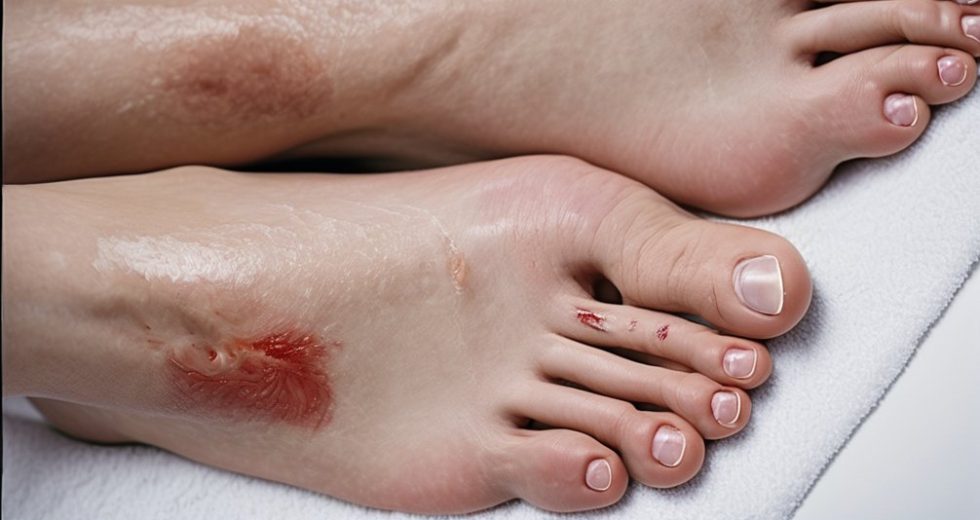
When you use a foot mask peeling treatment, expect your skin to soften first, then begin peeling gently within a few days as dead skin sheds. Normal reactions include mild redness or tingling without severe discomfort. In contrast, a bad reaction involves intense redness, swelling, burning, or blisters, which need prompt attention. Keep your feet moisturized throughout to ease peeling and avoid dryness. Understanding these signs helps you manage the process safely, and further details will clarify what actions to take.
What to Expect During the Foot Mask Peeling Process
Although the foot mask peeling process can vary slightly depending on the product, you can generally expect a series of predictable stages.
Initially, your feet may feel softer, with dryness and tightness appearing within a few days.
The peeling timeline typically begins around day three to seven, as dead skin starts to shed in patches.
It’s important to follow moisturizing tips during and after peeling to maintain hydration and support skin renewal.
Applying a gentle moisturizer daily helps prevent excessive dryness and enhances comfort throughout the process, allowing your feet to regain smoothness naturally and effectively.
Signs That Indicate a Normal Reaction
As your feet begin to peel, you may notice several signs that indicate a normal reaction to the foot mask treatment.
Normal exfoliation typically involves gradual peeling of dead skin layers over several days. You might experience mild skin sensitivity, including slight redness or tingling, which usually subsides quickly.
This sensitivity is a natural response as the mask breaks down tough skin, allowing fresh skin to emerge. The peeling should remain localized and not cause intense discomfort.
Recognizing these signs helps you understand that your feet are responding as expected, supporting safe and effective skin renewal.
Warning Symptoms of a Bad Reaction
How can you tell if your foot mask treatment is causing a bad reaction instead of a normal peel?
Watch for red flags like intense redness, swelling, or persistent skin irritation that worsens over time. If your skin feels burning, stings excessively, or develops blisters, these signs indicate a potential problem.
Unlike the typical peeling process, which should be gradual and painless, a bad reaction disrupts your skin’s comfort and appearance.
Pay close attention to these symptoms to protect your skin’s health and avoid further damage during your foot mask experience.
When to Consult a Healthcare Professional
If you notice severe or worsening symptoms after using a foot mask, you should consult a healthcare professional promptly.
Persistent redness, intense itching, swelling, or pain may indicate an adverse reaction that requires medical attention.
Proper post peel care is essential to manage skin sensitivity and prevent complications.
Avoid self-medicating or continuing use if symptoms escalate.
A professional can assess your condition, recommend appropriate treatments, and advise on safe future use.
Frequently Asked Questions
How Often Can I Safely Use a Foot Peeling Mask?
You can safely use a foot peeling mask every 3-4 weeks, following frequency guidelines. If you have sensitive skin, you might want to space it out more to avoid irritation and keep your feet feeling fresh and free.
Are Foot Peeling Masks Suitable for All Skin Types?
Foot peeling masks aren’t suitable for all skin types. If you have skin sensitivity, you’ll want to check ingredient compatibility carefully. Always patch-test first to avoid bad reactions and keep your skin feeling free and comfortable.
Can Foot Masks Be Used on Cracked or Injured Feet?
You shouldn’t use foot masks on cracked or injured feet since their healing properties might irritate sensitive skin. Instead, let your skin heal naturally to avoid discomfort and protect your freedom to move comfortably.
What Ingredients Should I Avoid in Foot Peeling Masks?
You should avoid harsh chemicals like parabens and sulfates in foot peeling masks. Instead, choose natural alternatives like fruit enzymes or aloe vera, so you can enjoy safe, gentle exfoliation without sacrificing your skin’s freedom and health.
Can Foot Peeling Masks Help With Fungal Infections?
Foot peeling masks generally don’t serve as effective fungal treatment. To truly improve skin health and tackle fungal infections, you’ll want antifungal creams or consult a healthcare pro for freedom from irritation and infection.