
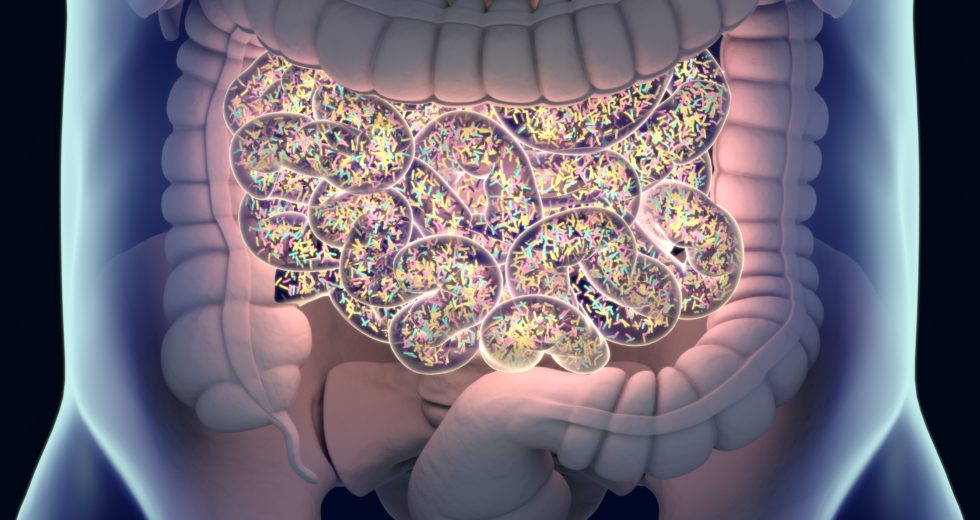
Your body contains trillions of microbial cells collectively called the microbiome. Today, the scientific community is studying this part of the body more closely and discovering the role it has in different aspects of human health.
In a study published in 2018 by the European Journal of Nutrition, findings show that a diverse microbiome, especially your gut bacteria, is beneficial for various organ systems and even the brain. This has led to the belief that treatments that target your microbiome may potentially enhance both physical and mental health.
Your Gut Microbiome
There are around 100 trillion good and bad bacteria residing in your digestive system. Together, these are called the gut microbiota. Knowing how the gut microbiota functions and how it can benefit you may be overwhelming. While it plays a crucial role in your gastrointestinal health, scientists are saying that they have other effects on your well-being.
There are around 1,000 various species of bacteria in your gut with around 5,000 different bacterial strains. Each person’s microbiota is unique, but there are specific collections and combinations of bacteria that’s been found in healthy individuals. You can have a microbiome check to determine the kind of nutritional and lifestyle changes you need to do to enhance your overall being.
The primary factors that affect your individual microbiota include diet, age, genes, environment, and medications. Gut microbiota plays various roles such as metabolizing nutrients from medications and food, producing vitamin K that helps generate blood-clotting proteins, and serving as protection against intestinal infections.
Microbiota can do much more. Primary research results suggest that gut bacteria may help treat or prevent some diseases.
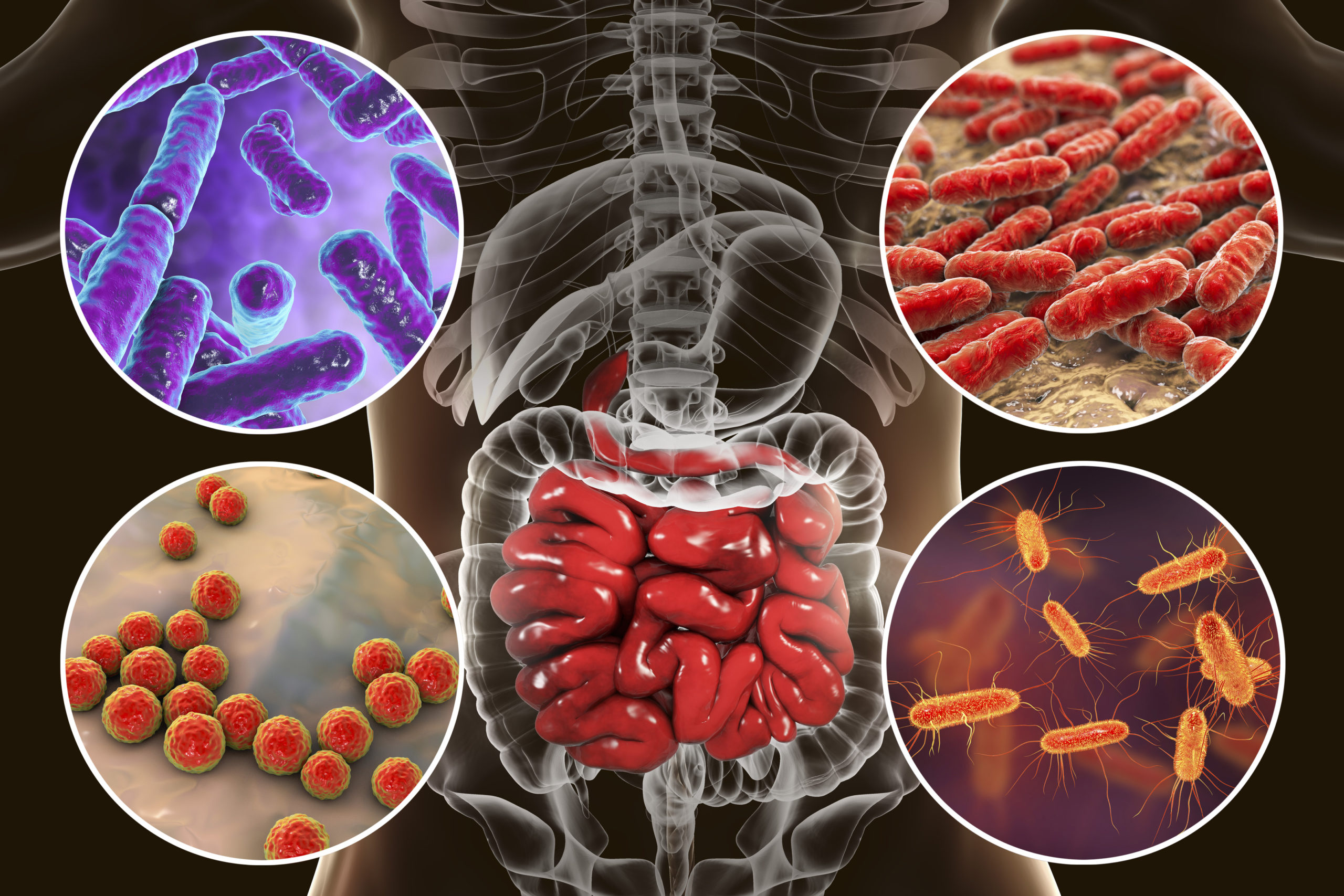
Here are some of the findings that determine the importance of knowing your microbiome:
Heart Health Benefits
A study titled “Microbiome, Trimethylamine N-Oxide (TMAO), and Cardiometabolic Disease” published in Translational Research in 2016 found that gut microbiome has a vital role in promoting triglycerides and good cholesterol. Some unhealthy species of bacteria in the gut may lead to heart disease by generating trimethylamine N-oxide or TMAO, which is a substance that leads to blocked arteries resulting to stroke or heart attacks.
Certain bacteria in the gut also work by converting L-carnitine and choline—nutrients in animal-based food sources such as meat—to TMAO. This also increases the risk for heart disease. However, other bacteria such as Lactobacilli are found to help lower cholesterol when used as a probiotic and could help boost heart health.
Control Blood Sugar
The 2015 study titled “The Dynamics of the Human Infant Gut Microbiome in Development and in Progression towards Type 1 Diabetes” published in Cell Host & Microbe investigated 33 infants that were found to have a genetically high risk of having type 1 diabetes. The results showed that the microbiome’s diversity dropped quickly prior to the onset of type 1 diabetes. The study also revealed that there were increased levels of several unhealthy bacterial species prior to the onset of the disease. Another study titled “Personalized Nutrition Project” published in 2015 also revealed that the blood sugar levels of different people can vary despite eating the same foods due to the various types of gut bacteria they have.
Treat and Prevent Rheumatoid Arthritis
Gut bacteria are believed to help predict a person’s susceptibility to rheumatoid arthritis while also providing a possible treatment. In the 2016 study “An expansion of rare lineage intestinal microbes characterizes rheumatoid arthritis” published in Genome Medicine, researchers successfully isolated certain bacteria, which they found high in rheumatoid arthritis patients and low in healthy people. Another 2015 study titled “Review: Microbiome in Inflammatory Arthritis and Human Rheumatic Diseases”, published in Arthritis & Rheumatology, found that mice that were treated with Pevotella histocola bacterium experienced less frequent and less severe symptoms associated with rheumatoid arthritis.
Final Thoughts
The gut microbiome is composed of various species of fungi, bacteria, and other microbes. Gut microbiota has a critical role in human health as it primarily helps manage digestion, which benefits the immune system and other aspects of health. To improve the growth of healthy microbiome in the gut, eat a wide variety of vegetables, fruits, fermented foods, and whole grains.