
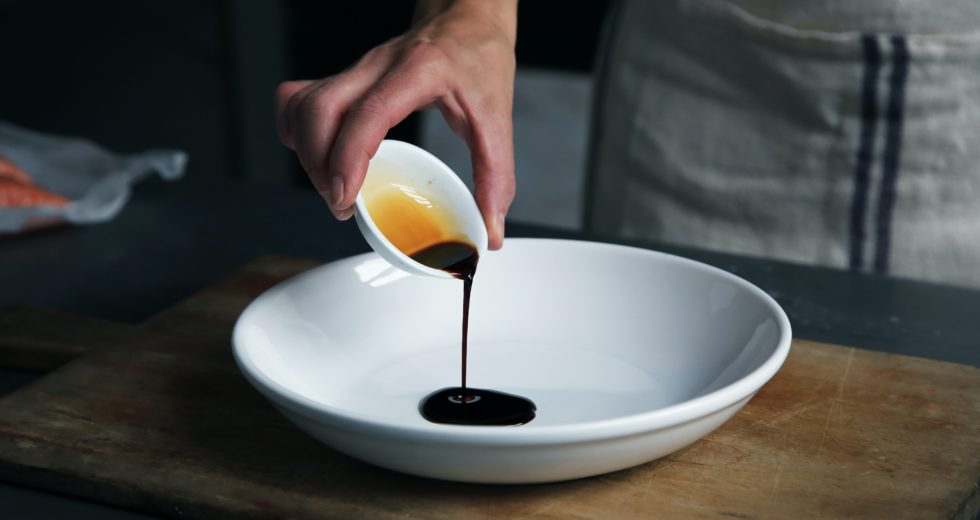
In Asian cooking, two condiments that are frequently used are tamari and soy sauce. There are some significant distinctions between the two, despite the fact that they both originate from fermented soybeans. In this piece, we will examine the distinctions between tamari and soy sauce, as well as the positive effects each has on one’s health.
Tamari is a seasoning that has its roots in Japan and dates back to the seventh century. It is similar to soy sauce in that it is made from soybeans, but it does not contain wheat like soy sauce does. In comparison to soy sauce, tamari has a flavor that is both richer and more subdued, making it an excellent substitute for individuals who are allergic to gluten or who wish to steer clear of products containing wheat. On the other hand, soy sauce is a type of condiment that originates in China and is produced by fermenting wheat and soybeans. It has a flavor that is both salty and savory, which lends dishes a sense of depth and complexity. Because it is such a versatile component, soy sauce is incorporated into a wide variety of dishes throughout the world.
In terms of their nutritional value, tamari and soy sauce are very similar in that they both contain a significant amount of sodium. About 1,000 milligrams of sodium can be found in a single tablespoon of soy sauce, which is approximately 44% of the sodium intake that is recommended for the average person. Tamari, on the other hand, has a slightly lower sodium content than soy sauce, with approximately 900 mg of sodium per tablespoon. Tamari, on the other hand, has a higher protein content than soy sauce and is an excellent source of various essential amino acids.
Both tamari and soy sauce have a high concentration of antioxidants, which are substances that can help prevent damage to your cells that is brought on by free radicals. Antioxidants help reduce inflammation in the body, which is linked to a number of chronic diseases such as heart disease, diabetes, and cancer. Antioxidants also help protect cells from damage caused by free radicals. Iron is necessary for the formation of red blood cells and can be found in tamari and soy sauce, both of which are excellent sources of the mineral. A lack of iron in the body can result in anemia, which is characterized by feelings of fatigue, weakness, and shortness of breath. There are versions of tamari and soy sauce that are low in sodium that can be purchased if you are attempting to cut back on the amount of sodium you consume.
People who want to enjoy the flavor of tamari or soy sauce but are concerned about the high sodium content can benefit from using these products because they contain less sodium and are a healthier alternative. To summarize, tamari and soy sauce are two of the most well-known condiments that are utilized in a wide variety of Asian dishes. Soy sauce is a versatile ingredient that adds depth and complexity to dishes, whereas tamari is a good alternative for people who are sensitive to gluten or who want to avoid products based on wheat. Tamari is available in most grocery stores. Both of these condiments have a high sodium content, but in addition to that, they have a lot of antioxidants and are a good source of iron. There are versions of tamari and soy sauce that are low in sodium that can be purchased if you want to cut down on the amount of sodium you consume.
📖 Related Reading
Nutritional Comparison at a Glance
Per tablespoon serving, tamari and regular soy sauce have similar calorie counts (approximately 10 to 15 calories) and protein content (1 to 2 grams). The primary nutritional difference lies in sodium: tamari typically contains 940 to 1,000 milligrams per tablespoon compared to 870 to 920 milligrams for regular soy sauce, according to USDA nutritional data. Reduced-sodium versions of both are available, cutting sodium content by approximately 40 to 50 percent.
Tamari’s advantage for those avoiding gluten is well-established. Traditional Japanese tamari is made exclusively from soybeans, water, salt, and koji mold without wheat. Standard Chinese and Japanese soy sauces (shoyu) use roughly equal parts soybeans and wheat in fermentation. A study published in the Journal of Agricultural and Food Chemistry confirmed that the fermentation process significantly breaks down wheat proteins, but trace amounts may remain, making standard soy sauce unsuitable for individuals with celiac disease.
Frequently Asked Questions
Is tamari healthier than soy sauce?
Neither is significantly healthier than the other in standard use amounts. Tamari offers marginally higher protein and a richer umami flavor, which may mean you need less per serving. The primary advantage of tamari is its gluten-free status for those with celiac disease or gluten sensitivity. For individuals without gluten concerns, the choice between tamari and soy sauce is primarily a matter of flavor preference rather than health benefit.
Can people with soy allergies use tamari?
No. Tamari is made from soybeans and is not safe for individuals with soy allergies. Coconut aminos is the most common soy-free alternative, offering a similar umami flavor profile with lower sodium content (approximately 270 milligrams per teaspoon). Coconut aminos is derived from coconut tree sap and contains no soy, wheat, or gluten, making it suitable for multiple allergy profiles.
Does cooking with tamari or soy sauce destroy nutrients?
Heat does not significantly reduce the sodium, amino acid, or mineral content of either product. However, the volatile flavor compounds that contribute to aroma and taste can diminish with prolonged high-heat cooking. For maximum flavor impact, add tamari or soy sauce toward the end of cooking, use it in marinades, or drizzle it as a finishing sauce. Antioxidant compounds present in naturally fermented soy products are partially heat-stable, though some degradation occurs above 160°F (71°C).