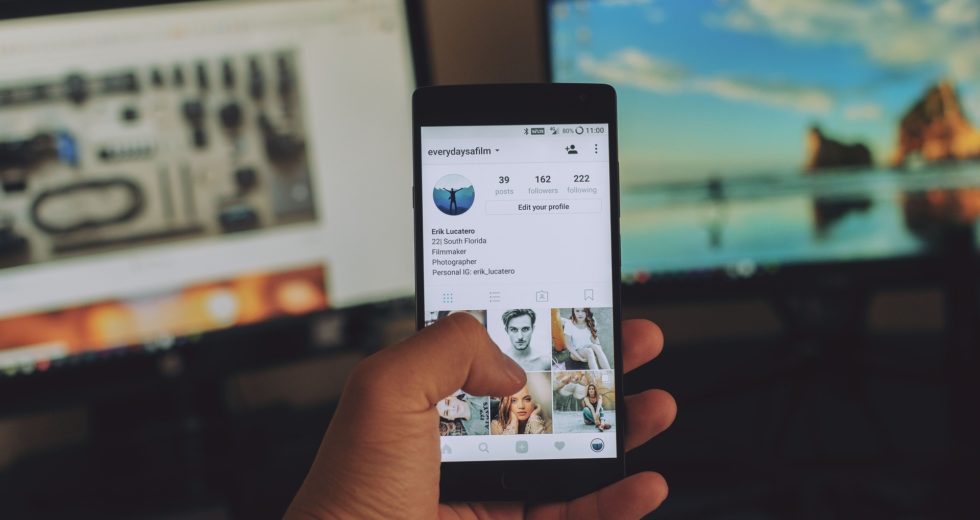
Social networks such as Facebook, Instagram, Snapchat, and others were supposedly created to unite people and make them communicate with each other a lot more efficiently than before. You can even use such apps to find out about events in your area so you can meet new people.
But are those social networks really helping us as intended? Can virtual interaction truly replace the ‘real deal’? While practically everybody is on Facebook or Instagram these days, a new study comes to spoil the fun. Not only that it shows that the use of social media is overrated, but it even suggests that it can be harmful for our mental health.
Can social media lead to depression?
Researchers from the University of Arkansas, the University of Alabama, as well as Oregon State University have discovered that using social media for at least five hours a day will lead to the user developing depression in a maximum of six months.
But what exactly could be causing depression if you are addicted to social media? The response might shock you: it’s the ‘problematic social comparison’ concept. What it means is that people become depressed while looking too much at how great other people’s lives apparently are. Perhaps we all know that on apps such as Instagram, many people like to show that their lives are great and that they have a great social and financial status, even though that might not be the truth in some situations.
Renae Merrill, who is a public policy doctoral student at the University of Arkansas, explained, as Futurism quotes:
Findings from this study are important during a time of technology expansion and integration,
Connecting to people virtually may increase the risk of miscommunication or misperception that leads to relationship difficulties and potential risk for developing mental health problems.
The new study was published in the Journal of Affective Disorders Reports.