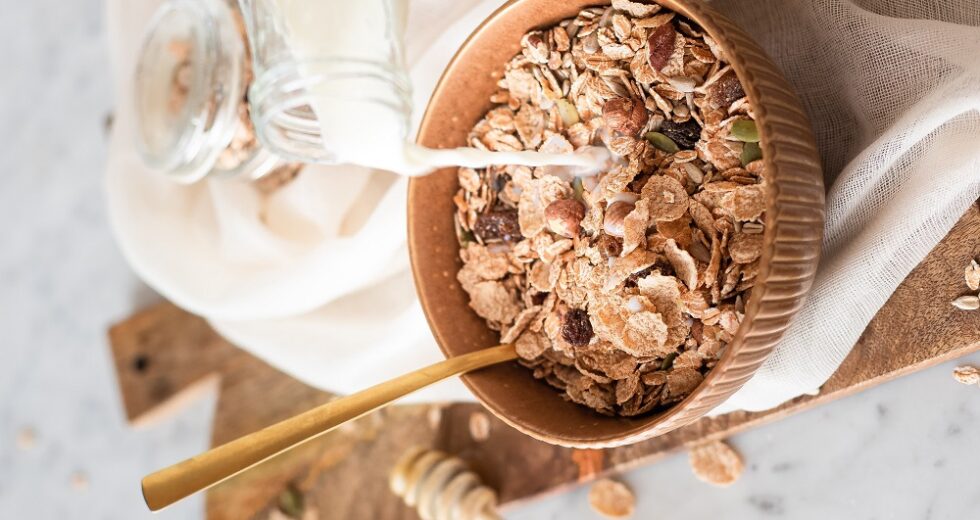
Cereals are just perfect, especially in the morning, when you get to eat some from your favorite bowl right before heading to work. The sweet feeling of pleasure and nostalgia! Having cereals at breakfast is definitely the most popular routine people have developed over decades. And there’s no wonder why! Cereals are delicious; they come in various sizes, shapes, and colors, which is really fun, and they could also be full of nutrients, like iron, for example, your body needs. Iron not only contributes to the formation of healthy teeth, bones, and skin, but it also delivers oxygen to the cells of the body, which is necessary for the generation of energy. So, why not start with it in the morning?!
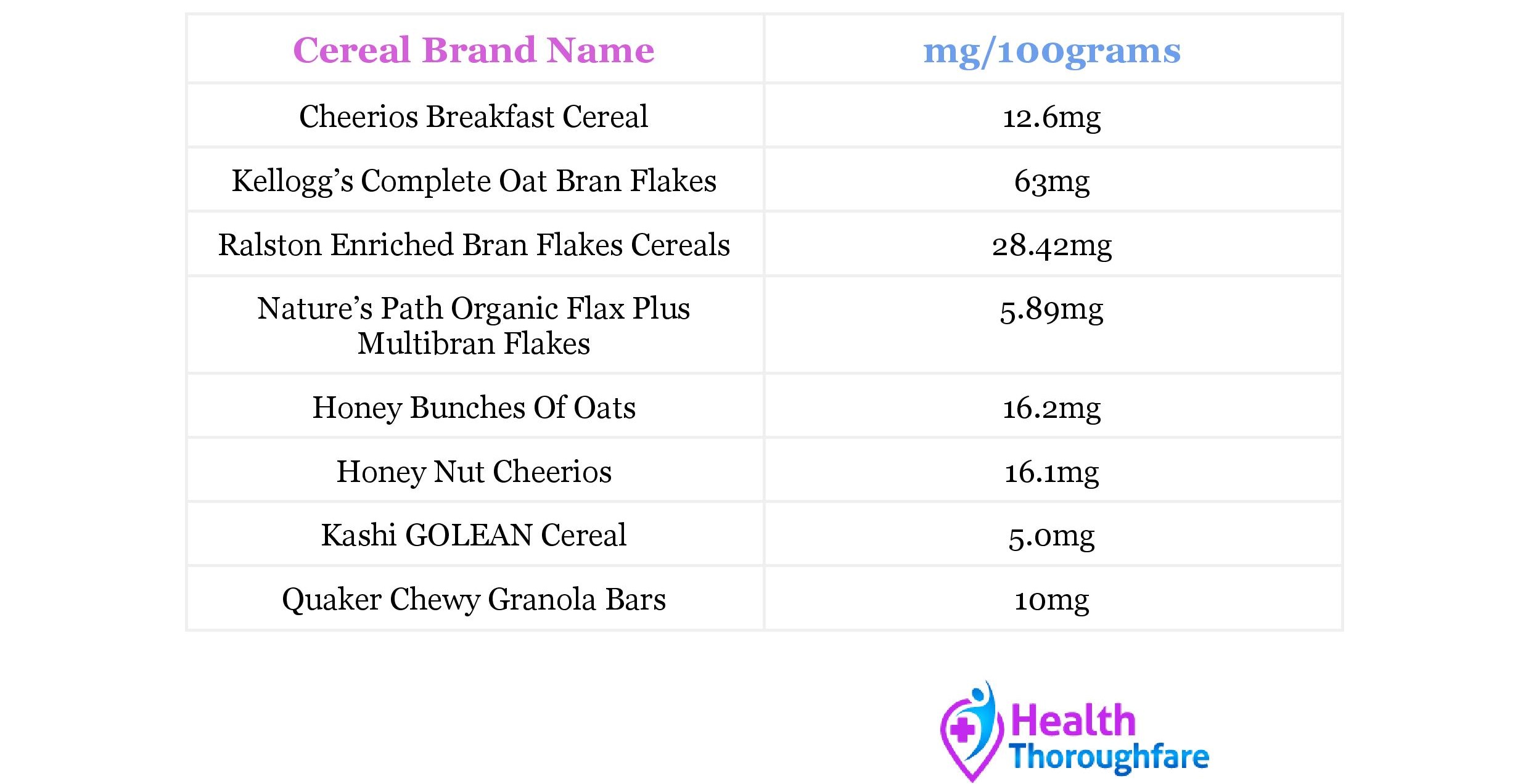
You have a wide variety of options available to you when it comes to cereals that are rich in iron. Because of this, we have compiled a list of the top choices available right now in terms of high-iron cereals for you to test.
1. Cheerios Breakfast Cereal
Iron is one of the many vitamins, minerals, and other essential elements that can be found in Cheerios. These nutrients are all beneficial to the body. They are created with whole grains, have minimal fat and calories, and are not only inexpensive but also healthy.
2. Kellogg’s Complete Oat Bran Flakes
Not only is Kellogg’s high in iron, but it is also high in a variety of other minerals, such as vitamin C, iron, magnesium, selenium, vitamin B6, vitamin D, potassium, and so on. It has a high concentration of calories, as well as sugar, salt, and saturated fat. Oh, my!
3. Ralston Enriched Bran Flakes Cereals
Over one hundred percent of the recommended daily value of iron may be found in only one cup of Ralston bran flakes. That’s wonderful, isn’t it?!
4. Nature’s Path Organic Flax Plus Multibran Flakes
These cereals from Nature’s Path Organic are created with organic flax seed, organic oat bran, and organic wheat. They have a nutty flavor, which is really tasty. In addition to not containing gluten, the cereals are said to be rich in omega-3 fatty acids and protein.
5. Honey Bunches Of Oats
The Honey Bunches Of Oats are packed with exactly the perfect amount of taste and nutrients that you want because they are created from both whole grains and refined grains. And here’s the thing! Iron is one of up to nine essential vitamins and minerals that may be found in cereal made with whole grains.
6. Honey Nut Cheerios
Iron is included in these cereals, in addition to having a reduced cholesterol content and providing around 12 essential minerals and vitamins. Neat!
7. Kashi GOLEAN Cereal
It is claimed that these cereals provide an intriguing variety of key vitamins and minerals, such as protein, fiber, and iron, among other nutrients. In addition to that, they are vegan, which is a very interesting feature!
What kinds of breakfast cereals do you most enjoy eating first thing in the morning? Tell us which one is your favorite down in the comments section!
📖 Related Reading
- Top 7 Vitamin K Creams For Better Looking Skin
- Best Glucose Tablets And Gummies For Diabetics
- Best TUDCA Supplements: Clinically Reviewed Brands for Liver Repair and Cellular Protection
- Lion's Mane vs. Reishi – From Ancient Medicine to Modern Wellness
- Get Your Inspiration With These 12 Bodybuilding and Fitness Documentaries
How to Read Cereal Nutrition Labels Effectively
Choosing a healthy cereal requires looking beyond marketing claims on the front of the box. The most important line on the nutrition label is the total sugar content per serving. The American Heart Association recommends no more than 25 grams of added sugar daily for women and 36 grams for men. Many popular cereals contain 10 to 15 grams per serving, consuming nearly half the daily limit before you leave the breakfast table.
Fiber content is equally critical. Cereals with at least 5 grams of fiber per serving help maintain stable blood sugar, promote satiety, and support digestive health. Iron content should ideally meet at least 25 percent of the daily value per serving, as iron-deficiency anemia remains one of the most common nutritional deficiencies worldwide, affecting an estimated 1.2 billion people according to the Lancet.
Frequently Asked Questions
Are fortified cereals as nutritious as whole food sources of iron?
Fortified cereals contain non-heme iron, which is less bioavailable than the heme iron found in animal sources. The body absorbs approximately 15 to 35 percent of heme iron compared to only 2 to 20 percent of non-heme iron. However, consuming fortified cereal with vitamin C, such as adding strawberries or orange juice, can increase non-heme iron absorption by up to sixfold. For individuals at risk of iron deficiency, fortified cereals remain a practical and accessible dietary tool.
Is it healthy to eat cereal every day for breakfast?
A high-fiber, low-sugar cereal with milk or yogurt and fruit can be a nutritious daily breakfast. However, variety in your morning meal ensures broader nutrient intake. Rotating cereal with options like eggs, oatmeal, Greek yogurt, or whole grain toast prevents nutritional gaps and keeps meals enjoyable. If you eat cereal daily, choose different varieties throughout the week to diversify your fiber sources and micronutrient profile.
Does the type of milk matter when eating cereal?
Yes. Whole milk adds roughly 150 calories and 8 grams of fat per cup compared to skim milk at 80 calories and 0 grams of fat. Plant-based milks vary widely in nutrition: soy milk most closely matches dairy in protein content (7-8 grams per cup), while almond milk typically provides only 1 gram. If iron absorption is a priority, avoid calcium-fortified milks consumed simultaneously with high-iron cereals, as calcium can inhibit iron absorption. Consuming them 30 minutes apart can mitigate this effect.