
It’s just been revealed that there are some new mind-blowing reports about antibiotic resistance out. Check them out below and learn some pretty useful facts about the issue.
Antibiotic resistance new data is out
Phys.org notes that a new study that was led by Assistant Professor Hui Peng’s research group in the department of chemistry in the Faculty of Arts & Science, was able to show that triclosan, which is a chemical often included in household items like hand soaps, toothpastes, and cleaning products to fight off bacteria, is the predominant antibiotic in Ontario sewage sludge.
The findings have been published in the journal Environmental Science & Technology.
“Since there are so many different antibiotics in the sewage sludge, we were surprised to find that the majority of antibacterial activity of the sludge could be directly linked to triclosan alone.” This is what Holly Barrett, a Ph.D. candidate in the Peng group and lead author on the study stated about the issue.
The research was performed by investigating sewage sludge from Ontario’s sewage treatment plants (STPs).
It’s also worth mentioning the fact that as the study notes, STPs are a breeding ground for antibiotic-resistant bacteria due to the diverse set of antibiotics that are found there.
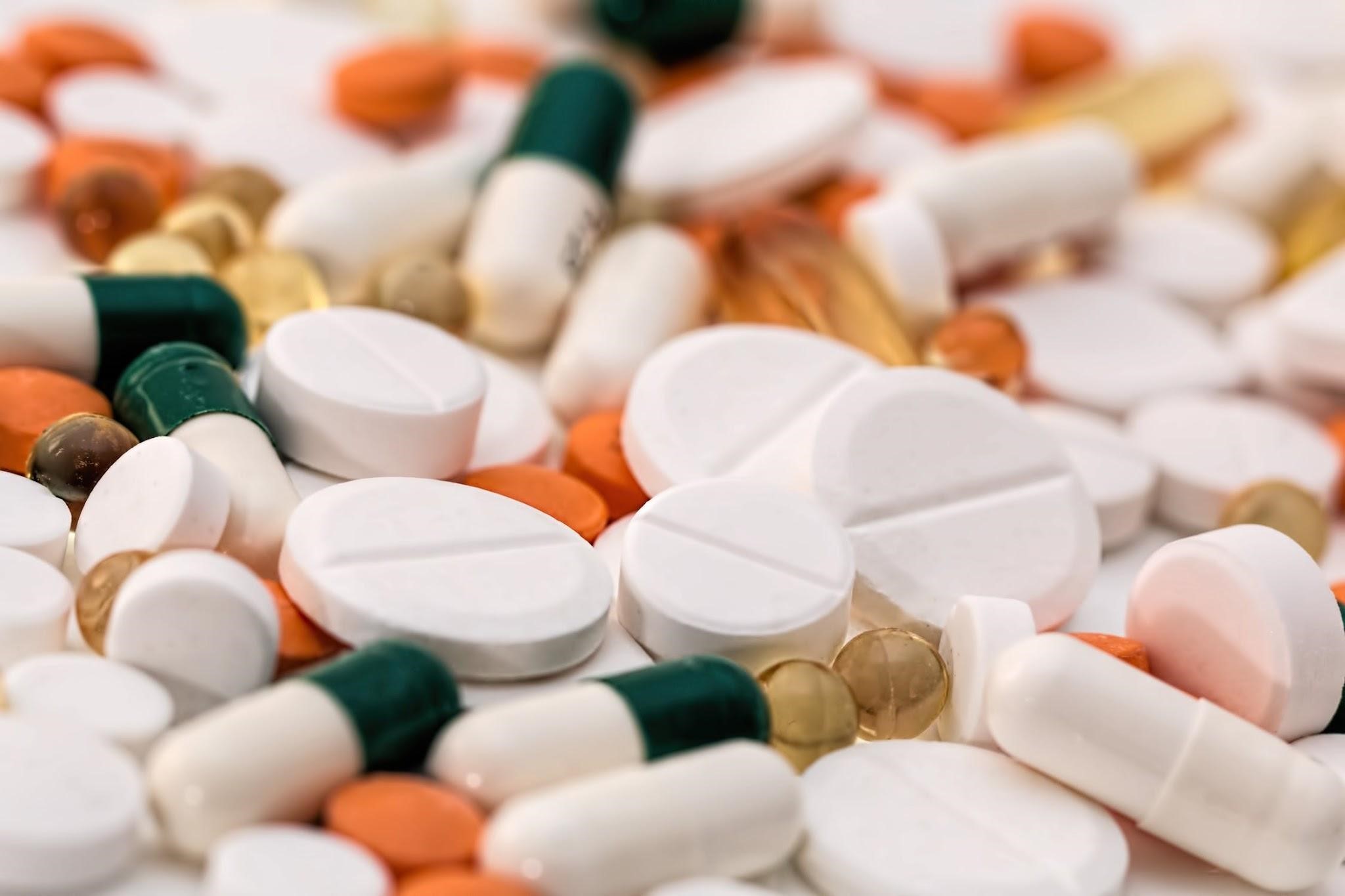
The reason is the fact that after we rinse our household products down the drain, the antibiotic ingredients in those products are transported to STPs where they accumulate like this.
It’s also important to note the fact that there are thousands of co-occurring chemicals in the sludge, and triclosan was found to be the predominant antibacterial compound impacting E. coli.
We suggest that you check out the official study and its finding in order to learn more details about this important issue. Antibiotic resistance is worth analyzing because these are some substances that can save lives, and resistance leaves them useless.