
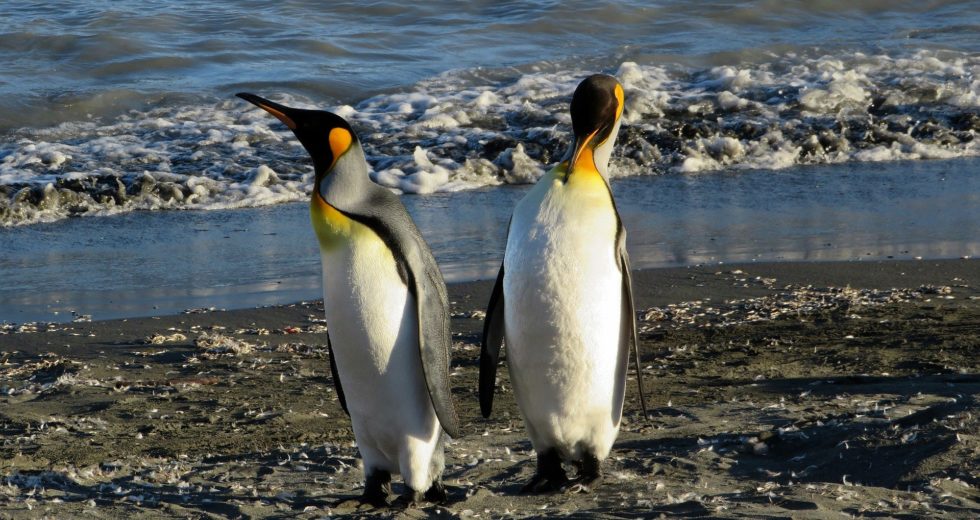
There were 18 different species of penguins discovered, each with its own unique physical features, habitat, and behavior. Some of these species, such as the Emperor Penguin, are adapted to life in the extreme conditions of the Antarctic, while others, such as the Galapagos Penguin, are found in warmer areas near the equator.
The different species of penguins include the Adelie Penguin, African Penguin, Chinstrap Penguin, Emperor Penguin, Erect-crested Penguin, Galapagos Penguin, Giroy Penguin, Humboldt Penguin, King Penguin, Little Penguin, Magellanic Penguin, Northern Rockhopper Penguin, Royal Penguin, Snares Penguin, Southern Rockhopper Penguin, Yellow-Eyed Penguin, Fiordland Penguin, and Western Penguin.
However, the list of penguin species just got larger.
Kumimanu fordycei is the largest penguin discovered
Fossils of two previously unknown ancient penguin species have been discovered in New Zealand, with one of the species being the largest penguin ever found, according to Livescience.com. The fossils of the new species, named Kumimanu fordycei, weighed an estimated 340 pounds, while another newfound species, Petradyptes stonehousei, weighed around 110 pounds.
These species were among the first ancient penguins and show that gigantism evolved early in the penguin lineage. The penguins lost the ability to fly and became more specialized in swimming around 60 million years ago. The researchers speculate that the unique environmental conditions that exist in ancient New Zealand played an important role in the emergence and success of giant penguins. However, giant penguins disappeared around 27 million years ago, and the reason for their extinction is still unknown. It’s possible that even larger penguins roamed New Zealand in the past.
Daniel Ksepka, the first author of the study, stated, as Livescience.com quotes:
New Zealand is (and has been) a great place to be a penguin,
There are good feeding grounds offshore for marine birds, and there were no land mammals other than bats in New Zealand before humans arrived, which makes for safer nesting areas.
Penguins have the ability to control the flow of blood to their feet to conserve heat. When swimming in cold water, a penguin’s blood vessels in its feet will constrict to reduce heat loss, and when it’s time to warm up, the blood vessels will expand to increase blood flow and bring warmth to the feet.