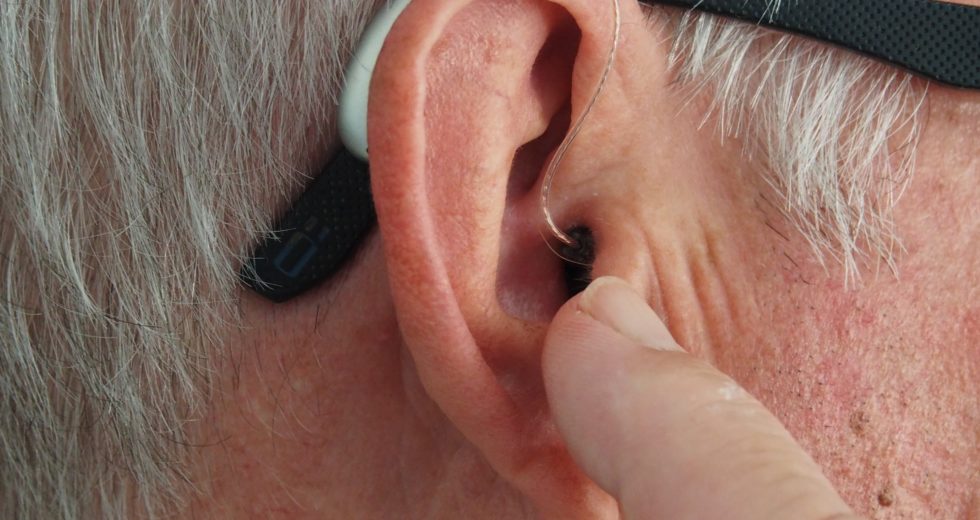
Dementia prevalence was higher among older persons with more severe hearing loss, according to a recent study headed by researchers from the Johns Hopkins Bloomberg School of Public Health; however, the study also revealed that the prevalence of dementia was lower among hearing aid users than among non-users.
Previous studies have linked hearing loss to an increased risk of dementia over time; our new results from a nationally representative sample of over 2,400 older persons lend credence to this theory.
Two-thirds of people over the age of 70 in the United States have some kind of hearing loss, making it a major problem in the realm of public health. There is a growing body of evidence suggesting that hearing loss increases one’s likelihood of developing dementia and other negative consequences, and this has prompted serious consideration of new approaches to treating this condition.
Huang and coworkers evaluated data from the National Health and Aging Trends Study, which is widely considered to be the gold standard for studies of this kind (NHATS). Since 2011, the NHATS has been collecting data from a nationally representative sample of Medicare beneficiaries aged 65 and older, with a particular emphasis on those aged 90 and above and those of African descent.
The study included 2,413 people, over half of whom were 80 or older, and revealed a significant correlation between hearing impairment and dementia. When compared to people with normal hearing, those with moderate to severe hearing loss had a 61% greater incidence of dementia. The 853 patients with moderate to severe hearing loss showed a 32% decreased incidence of dementia if they used hearing aids.
The authors point out that many previous studies had limitations due to their reliance on data collected in clinical settings, which meant that disadvantaged people who lacked the resources to access to clinics were not included. The information was gathered from the participants using in-home tests and interviews.
Research has pointed to a number of potential processes by which hearing loss might contribute to dementia, although this connection has yet to be established. The Cochlear Center for Hearing and Public Health has done extensive research on the correlation between hearing loss and dementia, and Huang’s findings contribute to this body of knowledge.
As a result of their Aging and Cognitive Health Evaluation in Elders (ACHIEVE) Study, the authors hope to have a more complete picture of how treating hearing loss impacts cognitive function and dementia. The randomized trial’s three-year findings should be available this year.