
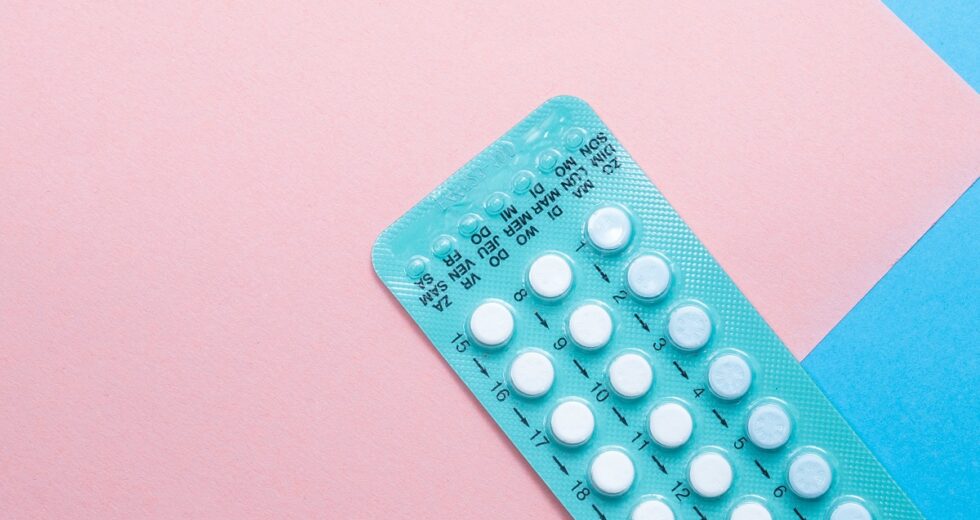
Vienva is a combined birth control pill that prevents pregnancy in a manner that is relatively comparable to that of other contraceptives. It does this by inhibiting ovulation, reducing the thickness of the lining of the uterus, and ultimately inducing a cervical mucus plug that stops sperm from entering the uterus. If you’ve ever used other methods of birth control, you’re probably already familiar with how Vienva should be administered. Having a conversation with your primary care physician is still necessary in order to receive complete medical assistance.
Continue reading below to learn more about Vienva, including its advantages and potential drawbacks.
How Does Vienva Work?
The birth control pill known as Vienva is a low-dose combination tablet that contains 20 mcg of ethinyl estradiol in addition to 100 mcg of levonorgestrel. The best thing about this method of birth control is that it may treat hormonal acne, ease the discomfort of heavy and painful periods, and lower the chance of developing ovarian cysts. However, each of these issues must be reviewed with an expert in order to have the complete picture.
How should Vienva be taken?
You must take one white tablet of Vienva every day for a total of 21 consecutive days, after which you must take a peach-colored inactive pill of Vienva for a total of seven days. Make a habit of taking your birth control pill at the exact same time every day to maximize the effectiveness of the medication and ensure you get the best possible outcomes. In addition, there is a step that must be taken before beginning your cycle of birth control tablets for the first time. Utilize an additional method of contraception during the first week of trying to prevent pregnancy.
Advantages of Using Vienva
- The periods become less heavy.
- Improves the health of the skin while treating acne
- Lessening the likelihood of developing ovarian cysts, also known as polycystic ovary syndrome (PCOS).
Are there any potential adverse reactions to taking Vienva?
It is extremely unlikely that using Vienva will cause you to have any unfavorable side effects. The following are the most often experienced adverse effects:
- headaches
- nausea
- bloating
- spotting
- water retention
- breast tenderness
Women who are using Vienva should avoid smoking cigarettes since doing so can raise the likelihood of experiencing major adverse effects from birth control medication.
✅ Key Takeaways
Vienva is a widely-prescribed, affordable combination birth control pill with a well-established safety profile. It offers the same hormonal formulation as brand-name Alesse at a lower cost. Discuss your complete medical history with your healthcare provider to determine if Vienva is appropriate for your contraceptive needs.
❓ Frequently Asked Questions
What is Vienva birth control?
Vienva is a combination oral contraceptive containing 0.1mg levonorgestrel and 0.02mg ethinyl estradiol. It is a generic equivalent of Alesse and Aviane, working by preventing ovulation, thickening cervical mucus, and altering the uterine lining to prevent pregnancy.
What are the common side effects of Vienva?
Common side effects include nausea (especially during the first 1-3 months), breast tenderness, headaches, spotting between periods, and mood changes. Most side effects diminish after the body adjusts to the hormones. Serious but rare side effects include blood clots, particularly in women who smoke and are over 35.
How effective is Vienva at preventing pregnancy?
With perfect use (taking the pill at the same time every day without missing doses), Vienva is approximately 99.7% effective. With typical use that accounts for missed pills and timing variations, effectiveness drops to about 91%. Using backup contraception if a pill is missed by more than 12 hours is recommended.
Can Vienva help with acne or period cramps?
Many women experience improvements in hormonal acne and reduced menstrual cramping on Vienva due to the estrogen component regulating oil production and the progestin reducing prostaglandin-mediated uterine contractions. However, it is not FDA-approved specifically for acne treatment.