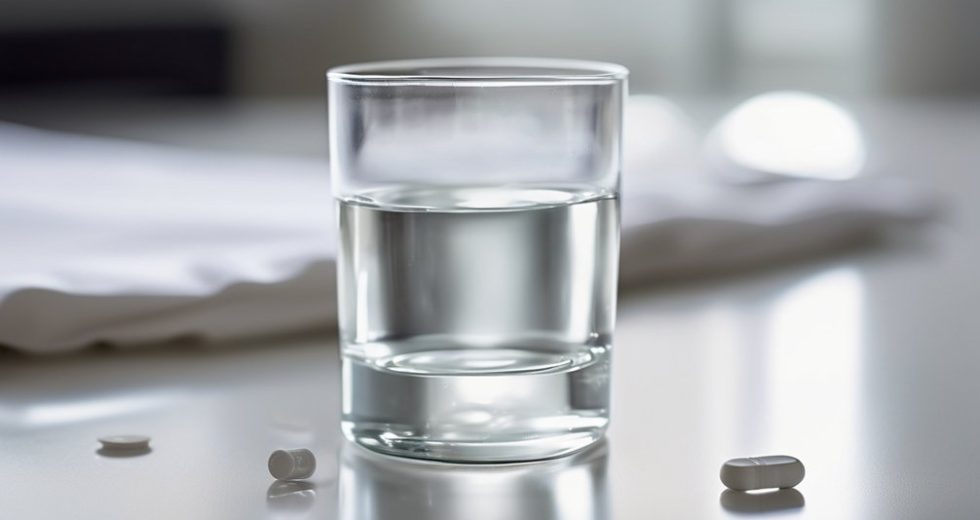
You should fast for 8 to 12 hours before blood work, drinking only water during this time. Avoid any food, coffee, tea, gum, or calorie-containing drinks, as these can affect test accuracy. Fasting is typically required for glucose and lipid panel tests, among others. Staying hydrated with water helps manage hunger and maintain your body’s functions. If you eat or drink anything besides water, you’ll likely need to reschedule. The following details explain these guidelines and their importance.
How Long Should You Fast Before Blood Work?
How long should you fast before blood work? The fasting duration typically ranges from 8 to 12 hours prior to your blood test. This period allows your body to clear certain substances, ensuring accurate results.
The exact fasting duration depends on the specific blood test ordered by your healthcare provider. For example, fasting is often required for glucose and lipid panels.
However, some tests don’t require fasting, so it’s important to follow your doctor’s instructions. By adhering to the recommended fasting duration, you help maintain the reliability of your blood test results without unnecessary restrictions.
What You Can and Cannot Consume While Fasting
Once you understand the recommended fasting duration, it’s important to know what you can and can’t consume during this period.
You should only drink water, as it doesn’t affect blood test results and supports proper blood flow. Avoid coffee, tea, gum, and any food or drinks with calories since these can alter your blood chemistry.
Many fasting myths suggest small snacks are harmless, but they can compromise accurate results. Sticking to water guarantees your blood test preparations are effective and reliable.
Clear guidelines help you maintain freedom in your routine without risking inaccurate lab data.
Common Blood Tests That Require Fasting
Which blood tests require fasting depends largely on the specific markers your healthcare provider needs to measure.
Common blood test types that often require fasting include lipid panels, which assess cholesterol and triglycerides, and glucose tests used to diagnose diabetes. Fasting guidelines usually recommend avoiding food and drink (except water) for 8 to 12 hours before these tests to guarantee accurate readings.
Other tests, like basic metabolic panels or extensive metabolic panels, may also need fasting.
Tips for Managing Hunger and Staying Hydrated
Although fasting can be challenging, managing hunger effectively and maintaining hydration are essential for accurate blood test results.
For hunger management, focus on distractions like light activity or engaging tasks to reduce awareness of hunger. Avoid high-calorie drinks or snacks, as these can invalidate your fast.
Hydration tips include drinking plenty of water, which supports bodily functions and eases hunger pangs. You should refrain from beverages containing calories or additives, such as coffee or juice, during fasting.
Keeping a steady intake of water helps maintain energy levels and prevents dehydration, ensuring your blood work reflects true fasting conditions.
When to Reschedule Your Blood Test Due to Eating or Drinking
How do you know if you need to reschedule your blood test after eating or drinking? Follow the rescheduling guidelines provided by your healthcare provider, as eating or drinking can affect test results.
Typically, if you consume anything besides water within the fasting period, you should reschedule. However, note that some fasting exceptions exist, such as taking prescribed medications with small sips of water.
If uncertain, contact your clinic for clarification before proceeding. Rescheduling guarantees accurate results, helping you maintain control over your health while respecting the necessary preparation rules for your blood work.
📖 Related Reading
What Happens If You Accidentally Eat Before Fasting Blood Work
If you consume food or a non-water beverage within the fasting window, inform the phlebotomist and your doctor before the blood draw. In many cases, the draw will be rescheduled. However, the impact depends on what test is being performed. A comprehensive metabolic panel may still yield usable results for most components (kidney function, electrolytes) even without fasting, while lipid panel and glucose results will be unreliable.
According to clinical guidelines published in the European Journal of Clinical Nutrition, non-fasting lipid panels are increasingly accepted for cardiovascular risk assessment. A 2016 joint consensus statement from the European Atherosclerosis Society and European Federation of Clinical Chemistry recommended that non-fasting lipid testing is appropriate for most patients. However, fasting samples remain necessary when triglyceride levels are above 400 mg/dL or when precise LDL calculations are required.
Frequently Asked Questions
Can you drink black coffee before fasting blood work?
Black coffee without sugar, cream, or flavoring is generally acceptable before most fasting blood tests, though some laboratories recommend water only for the most accurate results. Caffeine can slightly elevate cortisol and catecholamine levels, potentially affecting stress hormone panels. If your blood work includes glucose testing, even black coffee may cause a minor spike in blood sugar in sensitive individuals. When in doubt, stick to water only during the fasting period.
Does chewing gum break a fast for blood work?
Sugar-free gum is unlikely to significantly affect most blood test results. However, some sugar-free gums contain sugar alcohols like sorbitol or xylitol that could minimally impact glucose readings. Regular gum containing sugar will elevate blood glucose and should be avoided. The safest approach is to avoid gum entirely during the fasting window to eliminate any potential interference.
How long is too long to fast before blood work?
Fasting beyond 14 to 16 hours can begin to affect certain results. Prolonged fasting may lower glucose below normal ranges, elevate bilirubin levels, and alter lipid metabolism in ways that do not reflect your typical baseline. If your appointment is delayed, consuming a small amount of water and rescheduling may be preferable to an excessively long fast. Most laboratories recommend 8 to 12 hours as the optimal fasting window.
Do medications break a fast for blood work?
Most prescribed medications should be taken as scheduled, even during a fasting period, unless your doctor specifically instructs otherwise. Blood pressure medications, thyroid hormones, and most other daily prescriptions are generally compatible with fasting blood work. However, vitamins containing biotin (vitamin B7) should be stopped 72 hours before blood work, as biotin can interfere with multiple immunoassay-based lab tests, according to an FDA safety communication.