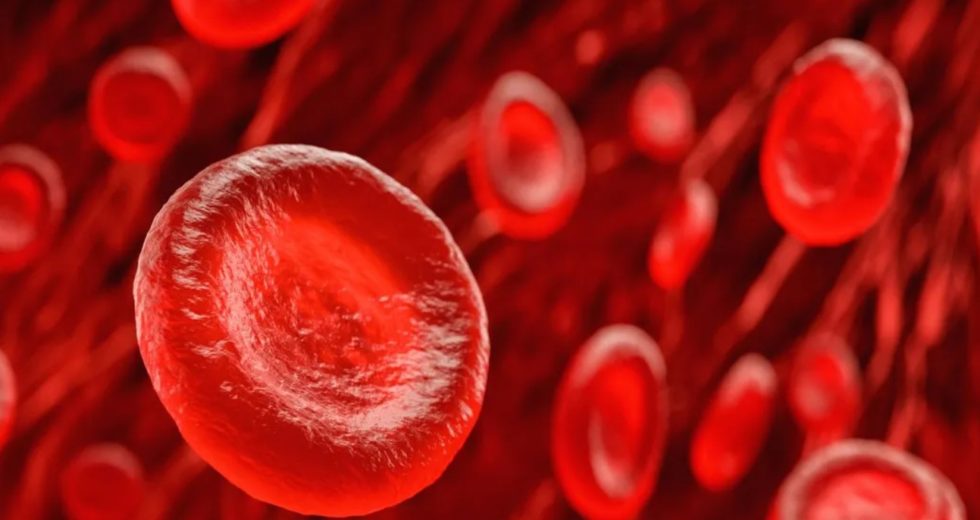
Scientists have discovered that injecting youthful blood into elderly bodies may have a “rejuvenating effect.”
It may sound far fetched to inject fresh blood into an older body and expect it to work better but it is apparently possible and not just the stuff of science fiction.
According to a new study published in the journal Nature Cell Biology, the infusion could make aged hearts, muscles, and even the brain of the elderly tougher.
The Columbia Stem Cell Initiative director, Emmanuelle Passegué, stated that “An aging blood system, because it is a vector for many proteins, cytokines, and cells, has a lot of consequences for the organism. A 70 year old with a 40 year old blood system could have a longer health span, if not even a longer lifespan.”
An anti-inflammatory medication, which is commonly used to treat rheumatoid arthritis, was shown to “turn back time in mice and reverse some consequences of aging on the hematopoietic system,” according to a study by doctoral student Carl Mitchell and Passegué.
The medication was discovered during an extensive examination of the stem cells that produce all blood cells.
As part of the research published in 2021, Passegué and her colleagues attempted to use food and exercise to revive aged hematopoietic stem cells in mice but this method failed.
The same disappointing result happened when they tried to implant aged stem cells into youthful bone marrow.
The lab then made the decision to more thoroughly examine bone marrow.
So how exactly does it all work? First of all, the bone marrow is where all of the above-mentioned stem cells are found.
These cells gradually start to generate fewer immunological and red blood cells, which increases the risk of infection and causes anemia, among other things.
Mitchell mentions that “Blood stem cells live in a niche; we believed that what happens in this specialized local environment may be a big part of the problem,” Mitchell said.
What the team of researchers found was that an inflammatory signal released by the damaged bone marrow, IL-1B, was “critical in driving aging features, and blocking it with the drug, remarkably returned the stem cells to a younger and healthier state.”
Passegué said that “Treating elderly patients with anti inflammatory drugs blocking IL-1B function should help with maintaining healthier blood production,” adding that she hopes these results will be followed by clinical testing.
📖 Related Reading
Current State of Parabiosis and Young Blood Research
Since the initial parabiosis studies gained public attention, the research landscape has evolved significantly. Scientists at Stanford University identified specific blood factors, including GDF11 (Growth Differentiation Factor 11), that may be responsible for some rejuvenating effects observed in animal models. However, subsequent studies at Harvard contested whether GDF11 actually declines with age, highlighting the complexity of isolating individual factors from whole blood.
A more recent approach focuses on plasma dilution rather than young blood infusion. A 2020 study published in Aging by researchers at UC Berkeley found that simply diluting the plasma of old mice by replacing half their blood plasma with saline and albumin produced rejuvenating effects comparable to young blood transfusion. This suggests the benefits may come partly from removing harmful factors that accumulate with aging rather than adding youthful ones.
The Ethical and Safety Concerns
The FDA issued a formal warning in 2019 against commercial young blood transfusion services, stating there was no proven clinical benefit and noting risks including allergic reactions, transfusion-associated circulatory overload, and infectious disease transmission. Despite this, several companies continue to market young plasma products as anti-aging treatments at costs exceeding $8,000 per infusion.
Frequently Asked Questions
Can young blood transfusions actually reverse aging in humans?
There is currently no clinical evidence that young blood transfusions reverse aging in humans. While animal studies show intriguing results, human physiology differs significantly from mice. The few human trials conducted have been small and have not demonstrated meaningful improvements in cognitive function, physical performance, or biomarkers of aging. The scientific consensus remains that more rigorous clinical research is needed before any claims of human rejuvenation can be supported.
What are the realistic alternatives to young blood therapy for healthy aging?
Evidence-based strategies for healthy aging include regular aerobic and resistance exercise, which has been shown to improve nearly every biomarker associated with aging. Caloric restriction or time-restricted eating may activate cellular repair pathways. Adequate sleep, stress management, and social engagement are all strongly associated with longevity in epidemiological studies. Emerging pharmaceutical approaches include senolytics, drugs that clear senescent cells, and metformin, which is currently being studied in the TAME trial for anti-aging properties.
Is parabiosis research still being conducted?
Yes. Research continues at major institutions including Stanford, Harvard, UC Berkeley, and several biotechnology companies. The focus has shifted from whole blood transfusion toward identifying specific circulating factors that change with age, developing synthetic versions of beneficial young blood components, and exploring plasma dilution as a simpler alternative. Clinical trials are ongoing, and results from the next generation of studies are expected to provide clearer answers.