
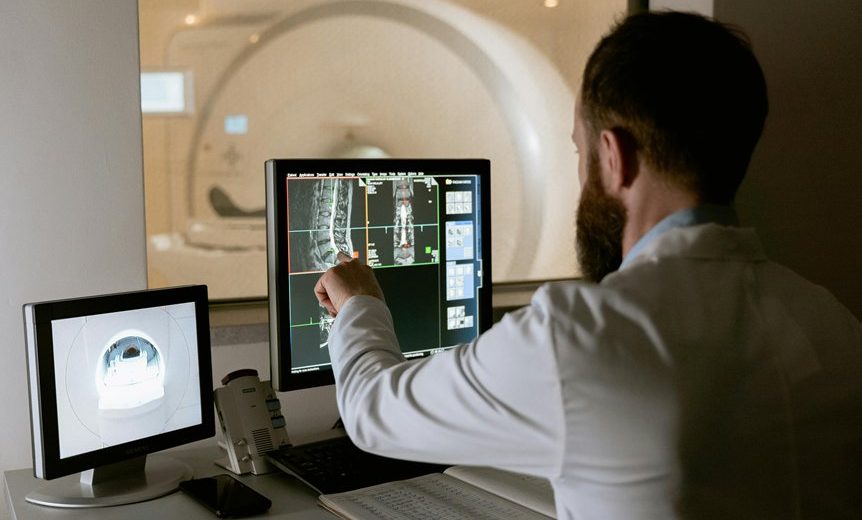
When preparing for a HIDA scan, it’s important to understand both the costs involved and what happens during the procedure. You can expect to pay between $1,000 and $3,000, depending on where you go. The test requires fasting and possibly adjusting medications, followed by an injection of a radioactive tracer and a series of images taken over one to four hours. Knowing these details helps you plan efficiently, but there’s more to reflect on about the process itself.
Understanding HIDA Scan Pricing
How much does a HIDA scan typically cost? The price can vary widely, generally ranging between $1,000 and $3,000. This variation depends largely on facility pricing and your geographic location.
Different hospitals or imaging centers may charge differently for the same procedure, so it’s wise to compare rates in your area, especially if you live in a region like Florida where tools such as FloridaHealthPriceFinder offer transparency on costs by county.
When it comes to insurance coverage, many plans will cover the scan if your doctor deems it medically necessary, but this often requires prior authorization.
To avoid unexpected expenses, check with your insurance provider about coverage details and any out-of-pocket costs before scheduling the test.
Preparing for Your HIDA Scan
Before your HIDA scan, it’s important to follow specific preparation steps to guarantee accurate results and a smooth procedure. Pay close attention to fasting requirements, medication considerations, and any special instructions from your healthcare provider.
Here’s what you need to do:
- Fast for at least four hours before the scan. You may be allowed clear liquids, but always confirm with your doctor.
- Inform your healthcare provider about all medications and supplements you take. Some may need to be paused to avoid affecting the scan.
- Notify your doctor if you’re pregnant or breastfeeding, as this could impact safety and timing.
When you arrive, you’ll change into a hospital gown and remove any jewelry or metal accessories to prevent interference with imaging.
Step-by-Step Procedure Overview
The HIDA scan procedure involves several key steps that guide you from preparation to completion.
First, an IV line is inserted into a vein in your arm or hand to inject a radioactive tracer. Once injected, you’ll lie still on a table while advanced imaging technology, specifically a gamma camera, captures images of the tracer as it moves through your liver and gallbladder.
This process typically takes 60 to 90 minutes, though it can extend up to 4 hours depending on your evaluation. You might also receive an injection of sincalide (Kinevac) to stimulate gallbladder contraction, which enhances the procedure benefits by providing clearer functional assessment.
Staying still during the scan is essential to obtain precise images for accurate analysis.
Interpreting Your HIDA Scan Results
Interpreting your HIDA scan results involves analyzing how the radioactive tracer moves through your liver, gallbladder, and small intestine.
The way the tracer moves helps doctors assess your gallbladder function and detect any abnormalities. Here’s what to evaluate:
- Normal tracer movement shows it flowing freely from the liver to the gallbladder and then into the small intestine, indicating healthy liver and gallbladder function.
- Slow or blocked tracer movement can suggest bile duct obstructions or liver problems, requiring further tests.
- If the tracer doesn’t enter the gallbladder, it may point to acute cholecystitis, while a low gallbladder ejection fraction could indicate chronic inflammation.
Understanding these patterns helps your healthcare provider diagnose and recommend the right treatment.
Potential Risks and Side Effects
After understanding what your HIDA scan results mean, it’s important to contemplate the potential risks and side effects associated with the procedure.
You might experience minor allergic reactions to the radioactive tracers used during the scan, though these are uncommon. Additionally, some bruising can occur at the IV insertion site, but this usually resolves quickly without intervention.
The procedure involves a small amount of radiation exposure, which is generally considered safe because the benefits outweigh the risks. However, if you’re pregnant or breastfeeding, inform your healthcare provider, as radiation may pose risks to the fetus or infant.
Frequently Asked Questions
Can I Drive Myself Home After the HIDA Scan?
You can usually drive yourself home after the HIDA scan, but it depends on how you feel during HIDA scan recovery. Follow HIDA scan preparation instructions, and if you’re dizzy or tired, arrange for a ride just in case.
Will Insurance Cover the Cost of the HIDA Scan?
Insurance coverage for your HIDA scan often depends on your plan and the scan necessity. Check with your provider to confirm if they’ll cover it, especially if your doctor deems the scan medically necessary.
How Soon Will I Get My HIDA Scan Results?
You’ll usually get your HIDA scan results within 24 to 48 hours. The scan interpretation takes some time, as your doctor reviews the images carefully to provide an accurate diagnosis and discuss next steps with you.
Can a HIDA Scan Detect Gallbladder Cancer?
A HIDA scan mainly evaluates your gallbladder function and doesn’t specifically detect gallbladder cancer. If you notice cancer symptoms, your doctor will likely recommend additional imaging or tests to identify any tumors or abnormalities.
Are There Any Medications to Avoid Before the Scan?
Yes, you should avoid certain medications before the scan to prevent medication interactions. Follow pre-scan guidelines carefully, and your doctor will tell you which drugs to stop temporarily to guarantee accurate HIDA scan results.