
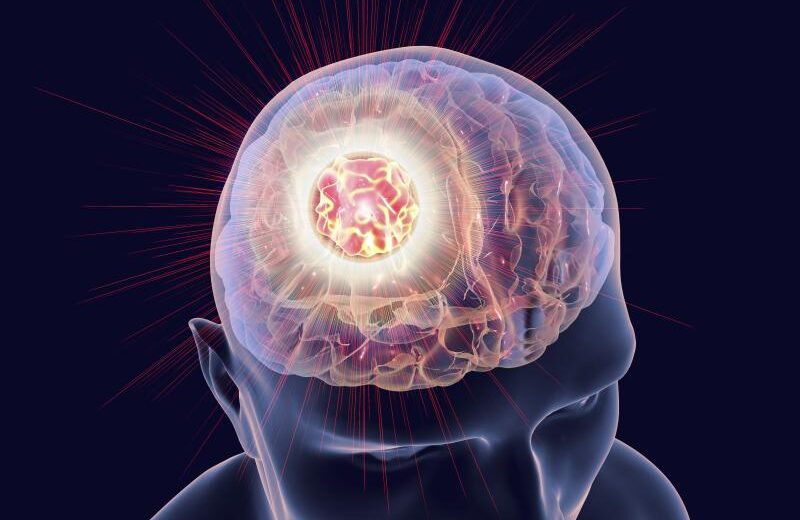
It has been just revealed the fact that there’s been a huge breakthrough regarding brain metastasis. Check out the latest reports about the matter below.
3rd gen targeted therapy for brain metastasis
It’s always difficult to hear news about cancer, but it’s important to stay informed. The Cancer Information Charity Foundation recently conducted a survey about the treatment of brain metastasis in non-small cell lung cancer patients.
The results were released on October 25th and showed that over 90% of the respondents were aware that brain metastasis is common in lung cancer.
Additionally, more than 80% of them believed it was necessary to understand the treatment methods for brain metastasis before beginning treatment.
It’s encouraging to see that so many people are taking an active role in their healthcare decisions.
According to the Cancer Information Network, new third-generation targeted therapies have been developed that are more effective in controlling the symptoms of brain metastasis.
They have urged the authorities to promptly add these drugs to the safety net provided by the Hospital Authority, to benefit patients with lung cancer.
Brain metastasis is a common site of lung cancer spread, particularly in cases of Anaplastic Lymphoma Kinase (ALK) non-small cell lung cancer, where approximately 30-40% of patients may develop brain metastasis.
CICF surveyed 100 non-small cell lung cancer patients in June and July. 93% knew about the high occurrence of brain metastasis in lung cancer, causing emotional stress. 83% considered understanding brain metastasis treatment essential before starting any treatment.
For new therapies, treating brain metastasis effectiveness was most important for the respondents, followed by chances of survival and symptom alleviation.
Non-small cell lung cancer is a type of cancer that can be caused by a genetic mutation known as ALK. This mutation occurs when two normal genes accidentally merge together, forming a fusion gene.
The cancer is divided into four stages, and it can spread to other parts of the body, including the brain.
This is particularly concerning for patients with ALK-positive non-small cell lung cancer.
If the cancer spreads to the brain, patients may experience symptoms such as headaches and seizures, which can significantly affect their physical condition and quality of life.