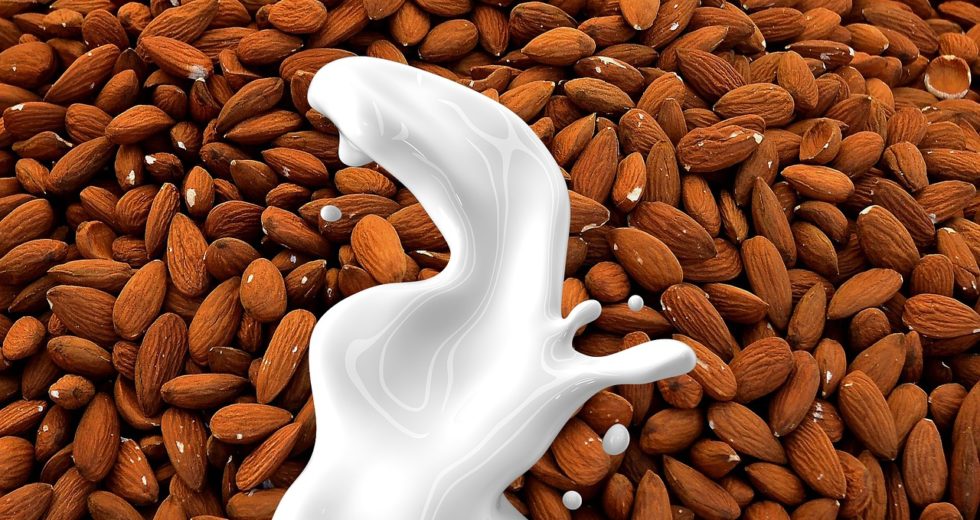
In a study published in Frontiers in Nutrition, researchers found that women and men who consumed 57g of almonds every day for a month had higher levels of the beneficial lipid 12,13-dihydroxy-9Z-octadecenoic acid (12,13-DiHOME) in their blood just after a session of strenuous exercise.
Known as an oxylipin (oxidized fat), this chemical is produced by brown fat tissue from linoleic acid and has a positive impact on metabolic health and energy balance.
Researchers showed that 57g of almonds ingested daily for a month before to a single “weekend warrior” exercise session resulted in higher levels of the beneficial 12,13-diHOME in the blood immediately after exercise compared to control volunteers. They also had superior leg-back strength and less muscular injury than control volunteers did after exercise.
Participants in the clinical experiment were 38 men and 26 women (aged 30 to 65) who did not participate in regular weight exercise. About half were assigned to the almond diet group, while the other half were assigned to the control group, which consumed a cereal bar with the same number of calories per day. Before and after the supplementation period of four weeks, researchers collected blood and urine samples.
A 30-second Wingate anaerobic test, a 50-meter shuttle run, and strength exercises including the vertical leap, bench press, and leg-back extensions were used to evaluate performance. The participants’ blood pressure, heart rate, oxygen saturation, and urine were all measured before and after the 90-minute “eccentric exercise” session, as well as once a day for the next four days.
Respondents reported their mental state using the ‘Profile of Mood States’ (POMS) questionnaire and their postponed start muscle soreness using a 10-interval scale after each blood sample. DOMS is the discomfort and rigidity experienced after unfamiliar or severe activity.
It’s no surprise that after 90 minutes of exercise, the volunteers reported experiencing more muscular damage and pain and had a higher POMS score, which indicates lower energy and greater exhaustion, anxiety, and sadness.