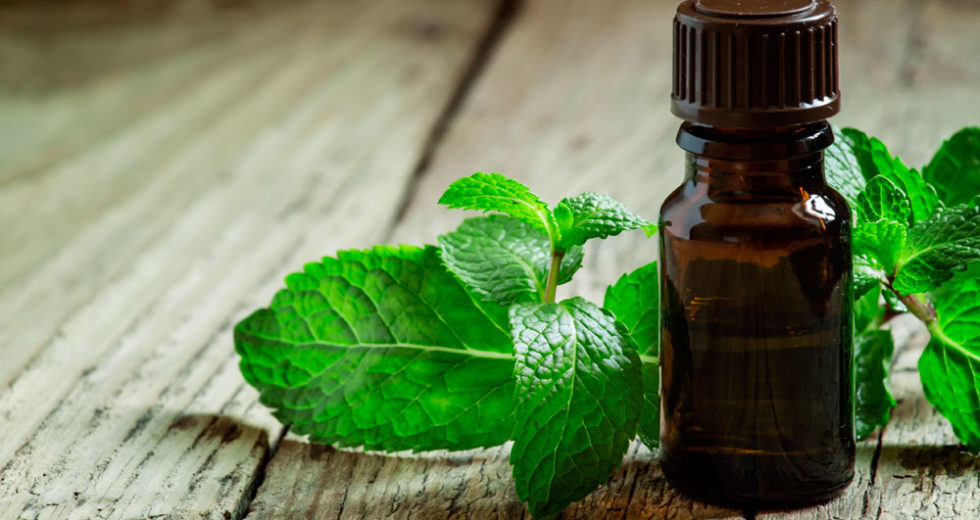
A study by a team of researchers reveals that peppermint flavor decreases appetite. A volunteer team smelled mint oil every two hours for five days. At the end of the study, volunteers reported a significant decrease in hunger, and thus took 3,485 fewer calories over a week than usual.
Does this theory work?
The strong aroma of mint fools the brain and diverts attention from food. Moreover, mint has a lot of amazing benefits for health, including:
– It treats acne;
– Relieves headaches and migraines;
– Reduces the intensity of menstrual cramps;
– Diminish the pain;
– Combats sinusitis and colds;
– Relieves symptoms of stress and anxiety.
Mint or peppermint oil should not be consumed if you are receiving treatment for gastroesophageal reflux disease, hiatal hernia, stomach burns and gallstones. Mint is not recommended for infants, pregnant or nursing women.
📖 Related Reading
- Top 7 Vitamin K Creams For Better Looking Skin
- Best Glucose Tablets And Gummies For Diabetics
- Best TUDCA Supplements: Clinically Reviewed Brands for Liver Repair and Cellular Protection
- Lion's Mane vs. Reishi – From Ancient Medicine to Modern Wellness
- Get Your Inspiration With These 12 Bodybuilding and Fitness Documentaries
How Peppermint Suppresses Appetite: The Mechanism
The appetite-suppressing effect of peppermint works through several physiological pathways. Menthol, the primary active compound in peppermint, stimulates cold-sensitive receptors in the nasal passages and gastrointestinal tract. This activation triggers a cascade of signals that reduce the sensation of hunger. Research published in the Journal of Neurological and Orthopaedic Medicine found that participants who inhaled peppermint essential oil every two hours experienced significantly reduced caloric intake compared to the control group, consuming an average of 1,800 fewer calories per week.
The olfactory pathway plays a crucial role. When you smell peppermint, the scent molecules interact with receptors in the olfactory bulb, which communicates directly with the hypothalamus, the brain region responsible for regulating hunger and satiety. This mechanism explains why even brief exposure to peppermint aroma can temporarily reduce cravings.
Practical Ways to Use Peppermint for Weight Management
Incorporating peppermint into your daily routine does not require major lifestyle changes. Drinking peppermint tea 30 minutes before meals is one of the simplest approaches. A study conducted at Wheeling Jesuit University found that participants who sniffed peppermint throughout the day rated their hunger levels significantly lower and consumed 2,761 fewer total calories over a five-day period.
Other effective methods include adding fresh peppermint leaves to water, using peppermint essential oil in a diffuser during meal preparation, or chewing sugar-free peppermint gum between meals. Each method delivers menthol to the olfactory system, potentially helping to curb impulsive snacking.
Limitations and What the Evidence Does Not Support
While the research on peppermint and appetite is promising, it is important to set realistic expectations. Peppermint is not a weight loss solution on its own. No single food, herb, or supplement can replace the fundamentals of caloric balance, regular physical activity, and sustainable dietary habits. The studies showing reduced caloric intake were conducted in controlled settings, and real-world results may vary depending on individual factors including stress levels, sleep quality, and overall dietary patterns.
People with gastroesophageal reflux disease (GERD) should approach peppermint with caution, as menthol can relax the lower esophageal sphincter and potentially worsen reflux symptoms. Peppermint oil supplements in capsule form should only be taken as enteric-coated products to avoid gastric irritation.
Frequently Asked Questions
How much peppermint tea should you drink per day for appetite control?
Two to three cups of peppermint tea daily is generally considered safe and sufficient to experience potential appetite-reducing effects. Drinking one cup approximately 30 minutes before your largest meals may offer the most benefit. There is no established clinical dosage, but exceeding five cups per day is unnecessary and may cause digestive discomfort in some individuals.
Does peppermint oil work better than peppermint tea for reducing hunger?
Both forms deliver menthol, but peppermint essential oil provides a more concentrated aroma, which may produce a stronger olfactory response. Inhaling peppermint oil has been studied more extensively for appetite suppression than drinking tea. However, peppermint tea offers the added benefit of hydration and a warm, satisfying ritual that can itself help reduce snacking urges.
Can peppermint help with emotional eating or cravings?
Some preliminary evidence suggests peppermint aromatherapy may help reduce chocolate cravings specifically. A 2008 study found that inhaling peppermint scent reduced chocolate cravings and overall caloric intake. However, emotional eating often involves complex psychological factors that a single intervention cannot fully address. Peppermint may serve as one tool within a broader behavioral strategy.
Is peppermint safe during pregnancy for managing appetite?
Peppermint tea in moderate amounts (one to two cups daily) is generally considered safe during pregnancy and is commonly used to manage nausea. However, concentrated peppermint oil supplements should be avoided during pregnancy unless recommended by a healthcare provider. Always consult your obstetrician before using any herbal remedy during pregnancy.