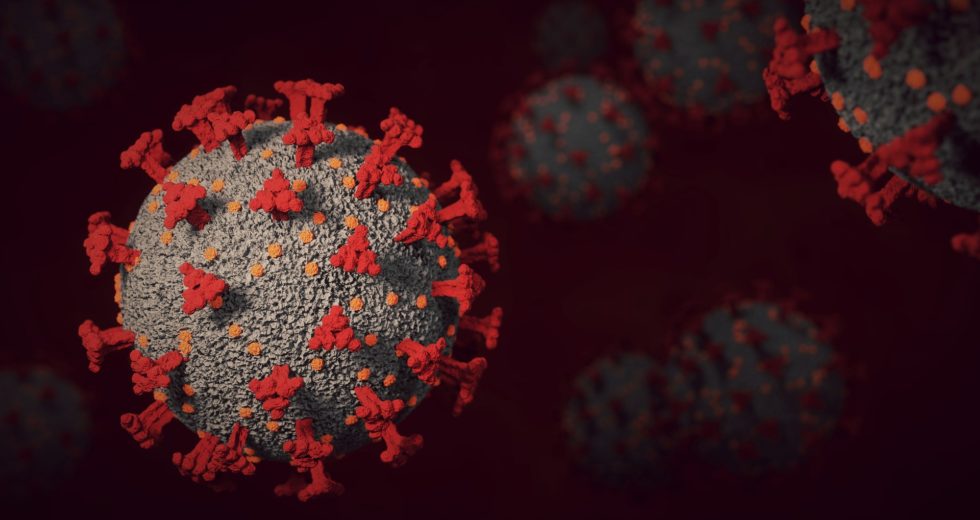
New studies on GRP78, a protein linked to COVID-19 and other types of cancer, and a medication that blocks its activity have been published by scientists at the University of Southern California and the Cleveland Clinic Florida Research and Innovation Center.
Despite the fact that the COVID-19 vaccine may save lives, scientists are still exploring for better methods to treat severe illnesses, for those who are unable to acquire the vaccine or in case new, more lethal virus strains develop.
Professor of biochemistry and molecular medicine at USC’s Keck School of Medicine Amy S. Lee, Ph.D., and colleagues have shown that the chaperone protein GRP78 is crucial to the propagation of SARS-CoV-2, the virus responsible for COVID-19. The study also shows that blocking or decreasing GRP78 synthesis with a novel targeted medication greatly reduced SARS-CoV-2 replication. Recent research published in Nature Communications suggests that this medication might provide a novel kind of protection against COVID-19 that could be effective even when new strains emerge.
Lee and her colleagues at the Keck School of Medicine at the University of Southern California and the Cleveland Clinic Florida Research and Innovation Center set out to find a more long-lasting method of combating COVID-19 by examining the role of GRP78, a key cellular chaperone protein that regulates the folding of other cellular proteins. While just a small amount of GRP78 is required for optimal cellular activity under normal conditions, during stress, cells need much more GRP78. In a study published in 2021, researchers from the Keck School of Medicine showed that GRP78 is co-opted by SARS-CoV-2 and used to help deliver the virus into cells, where it might grow and propagate.
GRP78’s role in SARS-CoV-2 replication in human lung cells has been questioned, however. Researchers looking at SARS-CoV-2 infected human lung epithelial cells found that GRP78 production increased with viral replication.
The effectiveness of blocking GRP78
Then, Lee and coworkers employed a messenger RNA technique to inhibit GRP78 protein synthesis in human lung epithelial cells in cell culture without interfering with other biological functions. Subsequent SARS-CoV-2 infection of these cells showed that GRP78 was crucial to viral replication and generation because the cells generated significantly less of the viral spike protein and discharged far fewer infected virus particles.