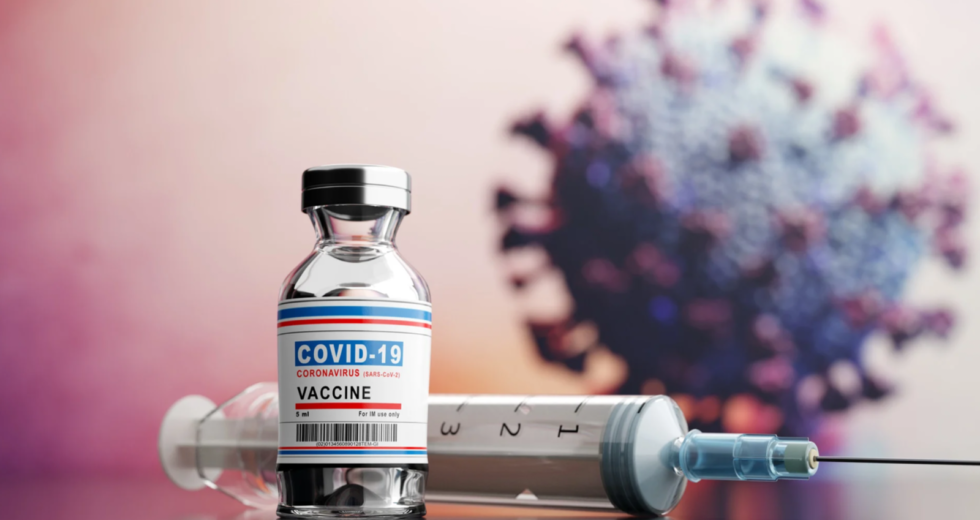
It has been just revealed the fact that there are some new movement disorders reported following the COVID vaccines. Check out more details about the matter below.
New movement disorders following COVID vaccines
Prior to 2021, Ruth Davy used to run over three miles every day and was able to cycle up to 46 miles on her bike, despite being in her 60s, a new article notes. However, her life took a turn after she received the first of her two COVID-19 vaccine doses, as within 15 minutes her condition changed.
“I felt like I was sedated,” Davy told The Epoch Times about her experience after the first dose. “My whole body was shutting down.”
Davy has experienced neurological vaccine side effects before. In 2008, she developed Guillain-Barré syndrome after taking Vivaxim and Dukoral for travel.
This caused her legs to give out, and she was bedridden, but her symptoms disappeared after she started following supplement protocols.
Recently, in 2021, her workplace mandated COVID-19 vaccinations, so Davy got the COVID-19 vaccine to keep her job.
“I was paralyzed for a week,” she said. “[The muscles in] my right calf solidified to the point that I couldn’t stretch my legs.”
Davy underwent several health protocols for over a week and her muscle contractions were finally relieved.
According to her rheumatologist, she had developed a new autoimmune condition after vaccination, though a definite diagnosis is still pending.
Movement disorders are caused by various factors such as brain and neural abnormalities, infection, inflammation, adverse drug effects, chronic diseases, and neurodegeneration.
Patients may experience a variety of movement-related symptoms, ranging from slowing of motion, such as in Parkinson’s disease and paralysis, to an increase in motion, such as involuntary jerks and tics.
Other symptoms may include dancing movements, difficulty walking, stiffness in limbs and trunk, slurred speech, and trouble swallowing, among others.
According to neurologist Dr. Suzanne Gazda, who has treated several hundred post-vaccine patients, most post-vaccine movement disorders have been entirely new and do not fit into any conventional diagnosis. As a result, it has been challenging for doctors to diagnose and treat these patients.