
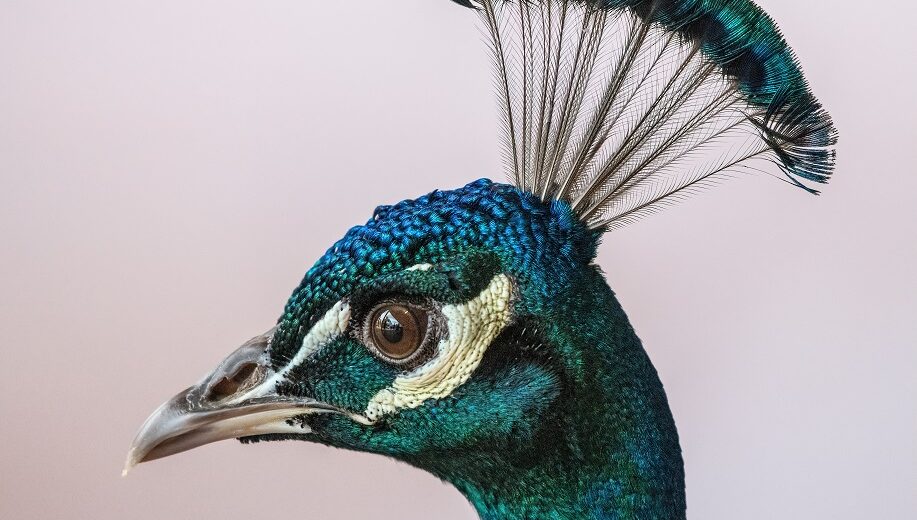
The process of sexual selection can lead to the evolution of characteristics such as the peacock’s long and ornate tail. These characteristics have developed over time to improve an animal’s chances of finding a partner rather than to enhance its chances of surviving. Now, some things will finally get in the spotlight, helping us understand animals better! According to the findings of a recent study, it appears that female animals pick their male partners based on the preferences of other females in their species.
Discover the full, intriguing story below.
In the recently published research from Florida State University in the United States, authors attempted to fill in some of the blanks left by sexual selection theories by using a mathematical model. Throughout history, the primary focus of scientific investigation has been on the relationships between males, and the role of females in shaping evolution has frequently been overlooked. However, academics are increasingly devoting a more significant amount of attention to the unique impacts that female agency has.
And here’s the thing: Females do not select their partners just based on their outward attractiveness.
It is well known that animals may pick up new skills by observing other creatures in their environment. Good memory has also been demonstrated in the process of mating, wherein females who see other females interacting with a male are prone to select the same male for their partner or one with comparable characteristics.
Moreover, the new information shows that when females picked males by considering the same attribute that the expert female chose, these qualities remained constant in the population, and there was no variation in them. When females picked a man with more distinguishing characteristics, this resulted in the unusual feature becoming more prevalent and, as a consequence, less appealing. That’s very remarkable.
Scientists need to do field investigations to determine whether or not something actually occurs in the real world. However, the hypothesis of sexual selection is the first one to explain how variety may be preserved in populations.